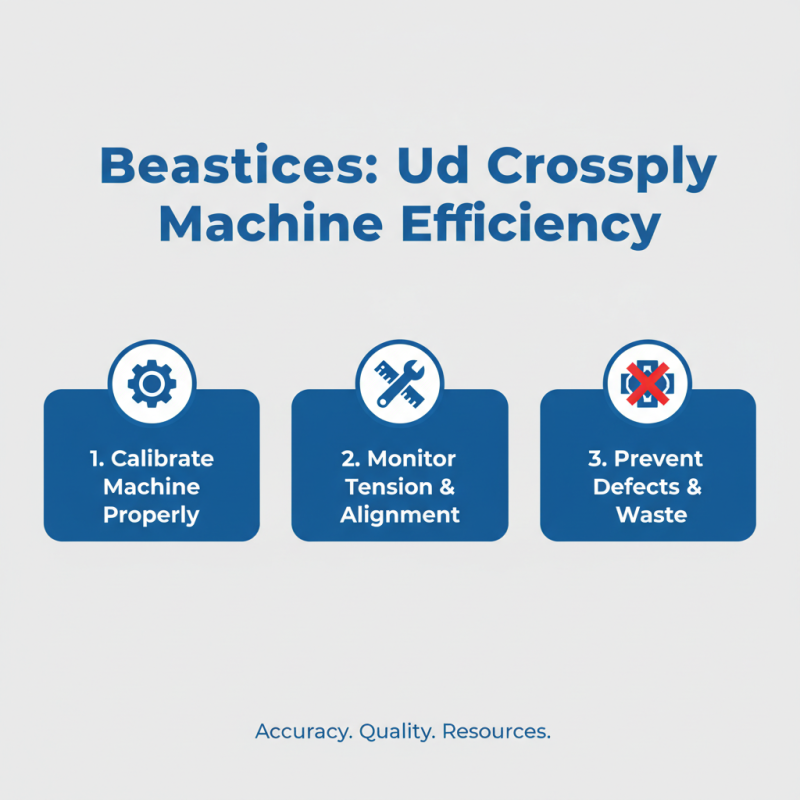
How to Use Ud Crossply Machine for Optimal Performance?
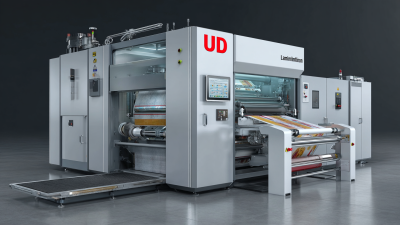
The Ud Crossply Machine is a remarkable tool designed for high-performance textile manufacturing. Its efficiency can significantly impact production quality and speed. However, maximizing the benefits of this machine requires a thorough understanding of its operation and maintenance.
Optimal performance is not just about the settings; it also involves correct usage and timely interventions. Operators must familiarize themselves with various components and their roles in the overall process. Mistakes can lead to inefficiencies, which are often overlooked. Small adjustments in settings or machine handling can yield remarkable results, so attentive observation is crucial.
Training is essential for all personnel involved. Relying on generic instructions can lead to errors in operation. Each factory has unique conditions that affect the machine's output. By investing time in learning and adapting to these factors, manufacturers can elevate their operation using the Ud Crossply Machine.
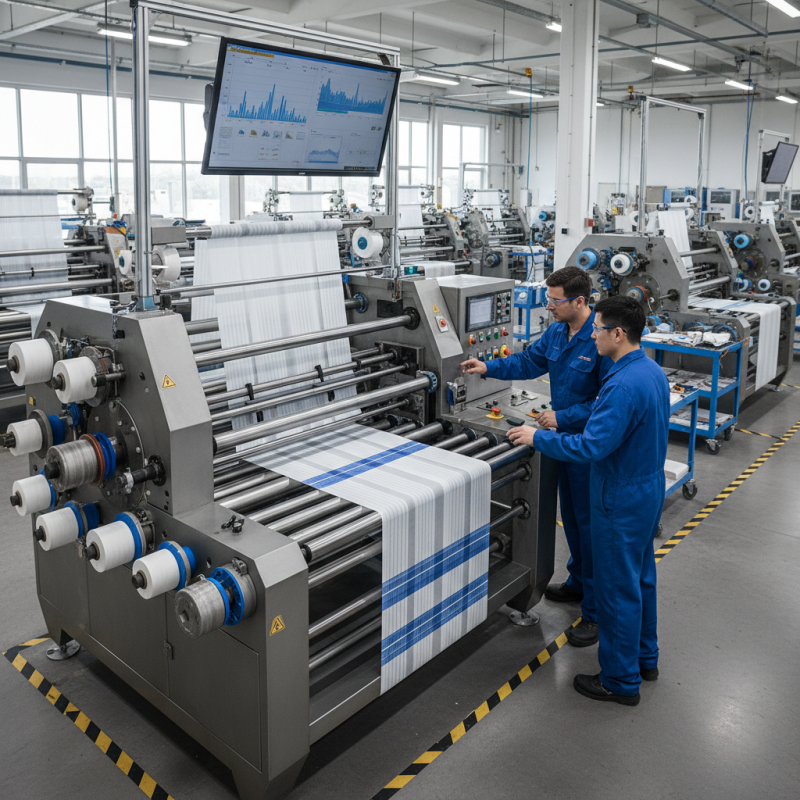
Understanding the Ud Crossply Machine: Key Features and Specifications
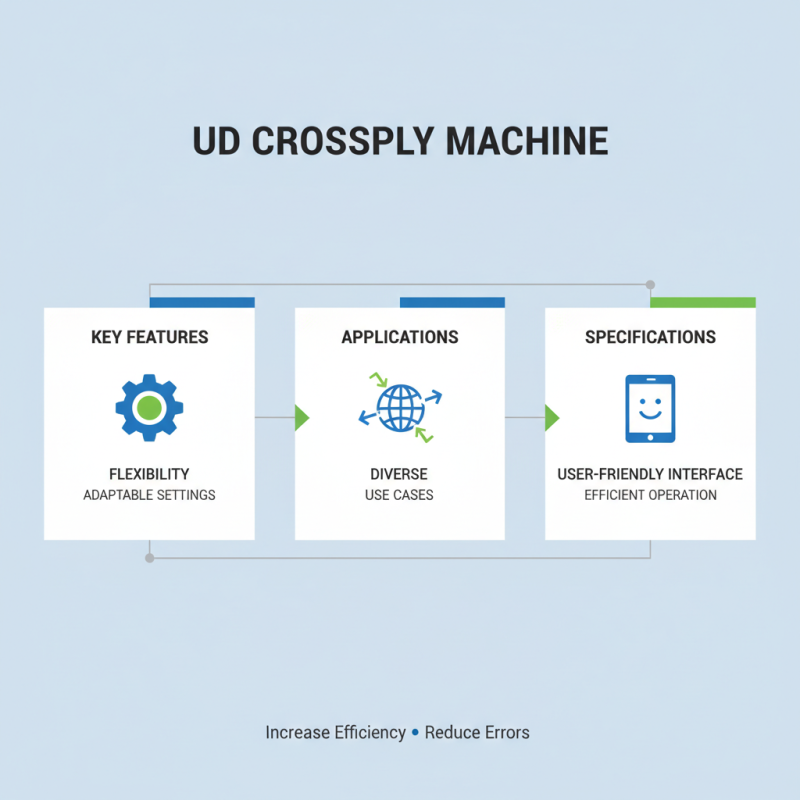
The Ud Crossply Machine stands out due to its unique features. It excels in flexibility, allowing users to adjust settings based on project needs. This adaptability makes it suitable for various applications, enhancing its utility in diverse environments. Key specifications include a user-friendly interface that simplifies operation. This design is vital for increasing efficiency and reducing errors.
Safety features are paramount; automatic shut-off mechanisms prevent mishaps during operation. Regular maintenance is crucial for optimal functioning. Without proper care, performance might decline, leading to increased operational costs. Users often underestimate this aspect.
Another vital specification is its energy efficiency. This machine consumes less power compared to traditional models. However, this doesn’t mean compromising performance. In fact, many users find they achieve better results while minimizing environmental impact. Adapting to user feedback is important for continuous improvement. It is an ongoing journey, not a final destination.
Preparing the Ud Crossply Machine for Optimal Setup and Calibration
Preparing the Ud Crossply machine for optimal setup and calibration is crucial for achieving high performance. Calibration impacts production rates by up to 20%. A well-calibrated machine ensures precision in material application and can significantly reduce waste. Proper alignment of components is vital. Even slight misalignments can lead to defects in the final product.
The process begins with clear guidelines. Follow the manufacturer's specifications regarding pressure and temperature settings. Industry studies show that machines running under optimal conditions show a 15% increase in durability. Regular inspections and recalibrations every 1,000 hours of operation are recommended. Maintain a log to track performance changes over time.
It's essential to involve trained personnel during setup. Inexperience can lead to costly mistakes. Machine operators should have access to training programs. This reflects a commitment to quality. Monitoring performance metrics will provide insights, but be aware of subtle fluctuations that might indicate underlying issues. Consider adjustments based on these observations. It’s an iterative process; consistently recalibrating can reveal patterns and enhance overall efficiency.
How to Use Ud Crossply Machine for Optimal Performance? - Preparing the Ud Crossply Machine for Optimal Setup and Calibration
| Dimension |
Optimal Value |
Adjustment Method |
| Tension |
100-120 N |
Use load cells for precision |
| Speed |
30-50 m/min |
Adjust drive motor settings |
| Temperature |
20-25 °C |
Calibrate heating units |
| Humidity |
40-60% |
Monitor with hygrometers |
| Calibration Frequency |
Monthly |
Regular grounding of equipment |
Maintaining the Ud Crossply Machine for Long-lasting Performance
Maintaining the Ud Crossply Machine is crucial for ensuring its long-lasting performance. Regular inspections can help identify potential issues before they escalate. According to industry reports, equipment with scheduled maintenance can experience up to a 30% reduction in unexpected failures. This is especially important in high-demand production environments, where downtime can lead to significant losses.
Cleaning the machine components frequently is essential. Dust and debris can affect the machine's efficiency. Research indicates that machines operating in clean environments can function up to 15% better than their dirty counterparts. Moreover, lubricant levels must be checked regularly. Proper lubrication reduces friction and wear, which leads to longer operational life.
While the maintenance process may seem straightforward, it requires attention. Operators should document maintenance activities to track performance over time. Incomplete records can lead to overlooked issues, which may compromise the machine's lifespan. Investing time in thorough maintenance can pay off substantially, yet it’s easy to get complacent. Staying vigilant is key to optimizing the Ud Crossply Machine's performance.
Performance Metrics of Ud Crossply Machine Over Time
Troubleshooting Common Issues with the Ud Crossply Machine
When using the Ud Crossply Machine, various issues may arise that affect performance. A common problem is improper tension. Ensure that the fabric is loaded correctly. If the fabric is too loose, it may lead to uneven cuts. Likewise, excessive tension can cause the fabric to break. Regularly check and adjust the tension settings according to the material specifications.
Another frequent issue is misalignment during operation. Regularly inspect the machine’s guide rails to ensure proper alignment. Misalignment can result in distorted patterns and wasted material. If you notice unexpected vibrations, inspect the components for wear and tear. This may signal the need for lubrication or replacement. Remember, regular maintenance enhances functionality and extends machine life.
Cleaning is often overlooked but vital. Dust and debris can accumulate, affecting performance. Establish a routine for cleaning the machine after every shift. This simple task can significantly reduce issues. Additionally, if problems persist, consult the user manual for troubleshooting tips. Ultimately, investing time in understanding machine behavior leads to better results and maximizes productivity.





 Wechat: ANNIELV88