Choosing the right Travel Head Cutting Machine manufacturer in China requires more than comparing prices online. Production managers must examine cutting accuracy, machine stability, service response, and long-term operating costs. A low quotation may hide expensive maintenance, weak training, or limited spare-parts support.
This guide introduces ten notable Chinese manufacturers serving footwear, leather goods, furniture, packaging, and related industries. The selection considers manufacturing experience, equipment design, factory capability, export records, and customer feedback. Practical details matter. A reliable machine should deliver clean cuts across repeated production cycles, maintain consistent pressure, and support different material thicknesses.
Factory visits, sample testing, and technical discussions can reveal more than brochures. Ask suppliers to cut your actual materials, including leather, foam, rubber, or composite sheets. Check the cutting bed, hydraulic system, safety controls, and software interface. Request installation references from similar businesses. After-sales service also deserves careful attention.
No manufacturer suits every factory. Some companies offer advanced automation, while others provide simpler machines with easier maintenance. Information can change as product lines and certifications develop. Therefore, buyers should verify current specifications directly with each supplier. This review is a practical starting point, not a final purchasing decision. Careful comparison remains essential.
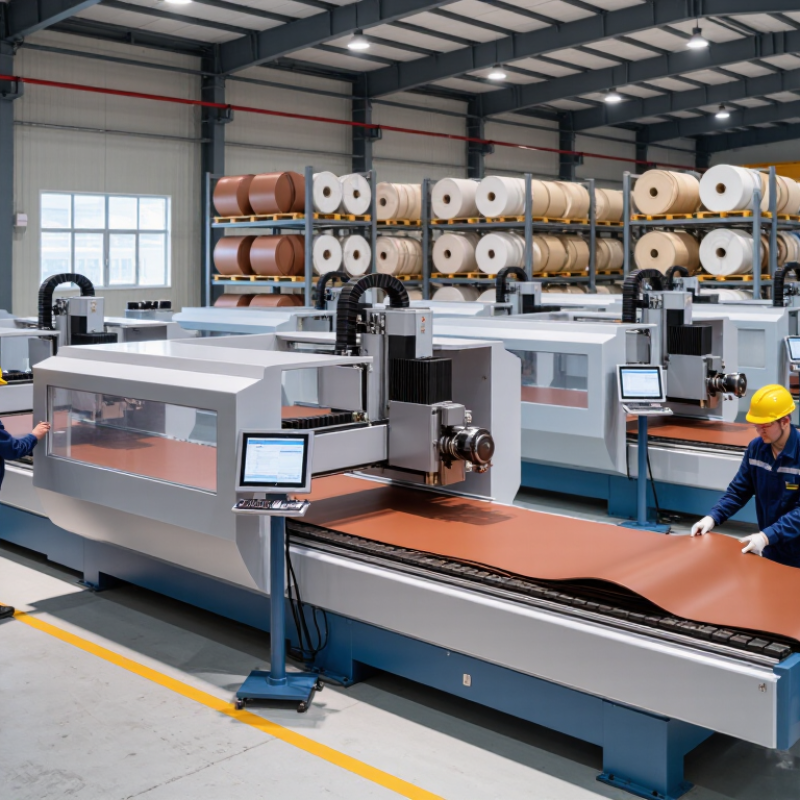
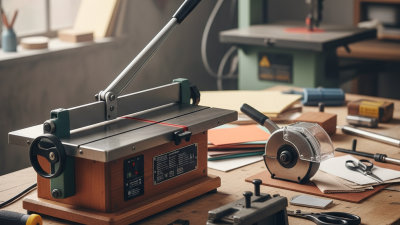
A travel head cutting machine uses a moving cutting head to process sheet materials. The head travels across a working table and applies controlled pressure through a blade or die. This design suits leather, foam, textiles, rubber, and thin composite sheets.
Compared with fixed-head equipment, it can cover larger areas with fewer manual repositioning steps. Operators usually adjust cutting pressure, travel speed, stroke height, and table alignment. A reliable machine should produce clean edges without crushing soft materials. Check its frame strength, guide rail accuracy, emergency stop system, and control interface. These details affect daily safety and cutting consistency.
Tips: Test your actual material before purchasing. Bring samples with different thicknesses. Ask for cutting records, maintenance guidance, and operator training. A showroom demonstration may look perfect, but production materials can behave differently. I once underestimated material compression; the cutting depth looked correct, yet several edges remained partly attached. That small mistake showed why sample testing matters. Also inspect electrical compatibility and local service response. Low purchase cost can become expensive when calibration or spare parts take too long. Manufacturers should provide clear specifications, realistic tolerances, and traceable quality checks. Avoid choosing only by maximum pressure. Usable accuracy matters more.
China remains a major sourcing base for cutting equipment, but low price alone proves little. The World Footwear Yearbook 2024 reported 22.4 billion pairs of footwear were produced globally in 2023, with Asia supplying about 87%. This scale creates strong manufacturing experience, yet quality still varies between factories.
Ask each manufacturer for a live cutting test using your leather, foam, or synthetic sheets. Check cutting accuracy across the full table, not only near the center. Measure the blade stroke, material waste, noise, and cycle time. A machine that cuts 40 strokes per minute may perform differently under continuous production. I would record ten repeated cuts and compare their dimensions.
Review the technical file carefully. It should include electrical drawings, spare-part lists, maintenance intervals, and safety details aligned with ISO 12100 and ISO 13849 principles. ISO 9001 certification can support process control, but it cannot replace a factory audit. Inspect assembly areas, calibration records, and final inspection reports. Request references from factories with similar materials and output levels.
The best supplier should explain failure risks clearly. Be cautious when every answer sounds perfect. Ask about hydraulic leaks, sensor replacement, training time, and response delays. A written acceptance test is essential, including accuracy, pressure stability, emergency-stop performance, and delivery condition. Some buyers overlook after-sales support; that mistake becomes expensive when production stops.
China’s top 10 travel head cutting machine manufacturers are judged by more than production volume. The selection considers cutting accuracy, frame rigidity, after-sales support, and export experience. UNIDO’s 2024 industrial statistics report shows China contributed about 31.6% of global manufacturing value added in 2022. That scale supports strong supply chains for hydraulic systems, controllers, and precision rails.
Real factory checks reveal practical differences. A stable machine should hold consistent pressure across a large cutting area. Operators should inspect blade alignment, emergency stops, noise levels, and oil leakage. The leading ten manufacturers usually offer customized stroke lengths, automatic feeding, and programmable cutting cycles.
These features reduce material waste in leather, foam, textiles, gaskets, and composite sheets. Mordor Intelligence identifies Asia-Pacific as the largest die-cutting equipment market, with demand supported by packaging, footwear, and industrial production. The report also expects steady market growth during the forecast period.
Certification matters. Buyers should request test records, electrical schematics, and compliance evidence for ISO 12100 and IEC 60204-1 where applicable. I have seen impressive samples fail during continuous production tests. That is easy to overlook. A lower purchase price may hide slower service response or unstable hydraulic pressure. The ranking is useful, but not absolute; cutting material, shift hours, tooling quality, and local maintenance skills can change the final choice.
China’s top ten travel head cutting machine manufacturers should be judged by products, technology, and user fit, not factory size alone. Their portfolios commonly include oscillating-knife cutters, hydraulic beam presses, CNC tables, and automatic nesting systems. These machines serve footwear, luggage, upholstery, automotive interiors, furniture, packaging, and technical textiles.
Automation matters.
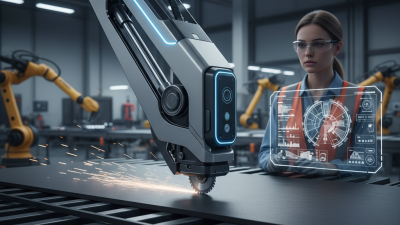
The International Federation of Robotics reported 541,302 industrial robot installations worldwide in 2023. This figure is not specific to cutting equipment, but it shows the direction of modern factories. Leading Chinese suppliers increasingly combine servo-driven travel heads, vision positioning, vacuum tables, CAD/CAM compatibility, and production-data tracking. Some models also support leather, foam, rubber, felt, composites, and layered fabrics. Cutting accuracy may reach about ±0.1 millimeter under controlled conditions, although material behavior can reduce real-world results.
Look for ISO 9001 quality systems, documented testing, spare-part availability, and operator training. The China Machine Tool Industry Association regularly highlights automation, digital manufacturing, and energy efficiency as industry priorities. Ask for sample cuts using your actual material. Catalog claims can look excellent. They sometimes disappoint. A useful comparison records cutting speed, blade life, waste percentage, noise, changeover time, and after-sales response. Energy consumption also deserves attention, especially for factories running two or three shifts. A low purchase price may hide software fees, tooling costs, or weak technical support. Rank suppliers by repeatable output and measurable service performance, not attractive showroom videos.
Choosing among China’s top ten travel head cutting machine manufacturers requires more than comparing prices. Start with your material, cutting area, thickness range, and daily production volume. A machine for leather may not suit dense foam or layered textiles. Write these requirements clearly before contacting suppliers.
Ask each manufacturer for a live cutting demonstration using your own material. Watch the blade path, cutting accuracy, noise, and material waste. Ask for measured cycle times, not attractive estimates. Ask for proof. Request drawings, electrical specifications, safety documents, and a list of standard spare parts. A reliable factory should explain its control system in plain language. It should also identify limitations honestly.
Check production experience through factory videos, customer references, and independent inspection reports. Confirm whether technicians can support installation, training, troubleshooting, and software updates in your region. Examine warranty terms carefully. Response time matters when production stops. Compare the complete cost, including packaging, shipping, setup, maintenance, and replacement blades. Do not rush. One overlooked detail can become an expensive delay. In practice, a polished demonstration is not enough; some machines perform differently after long shifts. Ask for a continuous test and keep the results in writing. A manufacturer willing to discuss weaknesses may deserve more trust than one promising perfection.
| Rank | Anonymous Manufacturer Profile | Primary Machine Type | Typical Cutting Material | Travel Length Range | Cutting Accuracy | Control System | Customization | Export Support | Best Fit |
|---|---|---|---|---|---|---|---|---|---|
| 1 | Profile 01 | Automatic travel-head cutting machine | Leather, synthetic leather, textile laminates | 1,600–3,200 mm | ±0.10–0.20 mm | PLC with touchscreen HMI | High | Standard documentation and remote support | Automotive and upholstery production |
| 2 | Profile 02 | Hydraulic swing-arm travel-head machine | Leather, rubber sheet, foam, gasket materials | 1,250–2,500 mm | ±0.15–0.30 mm | PLC or relay control | Medium | Installation guidance available | General-purpose die cutting |
| 3 | Profile 03 | Four-column travel-head cutting press | Textile, felt, foam, composite sheets | 1,500–3,000 mm | ±0.20–0.35 mm | PLC with adjustable stroke | Medium to high | Spare-parts lists and manuals | Large-area sheet processing |
| 4 | Profile 04 | Servo-driven automatic cutting machine | Leather, textile, artificial leather | 1,600–2,800 mm | ±0.10–0.20 mm | Servo motion controller | High | Remote diagnostics and video training | High-volume cutting lines |
| 5 | Profile 05 | Compact manual travel-head press | Leather, paperboard, thin rubber, craft materials | 800–1,600 mm | ±0.25–0.40 mm | Manual or basic PLC | Low to medium | Basic English manuals | Small workshops and sampling |
| 6 | Profile 06 | Double-head travel cutting machine | Textiles, insulation felt, foam, synthetic materials | 1,800–3,500 mm | ±0.15–0.30 mm | PLC with dual-head control | High | Commissioning support by appointment | Productivity-focused factories |
| 7 | Profile 07 | Heavy-duty hydraulic travel-head press | Thick leather, conveyor belt, rubber, multilayer materials | 1,200–2,400 mm | ±0.20–0.40 mm | Hydraulic control with safety interlock | Medium | Mechanical drawings and parts support | Heavy-material applications |
| 8 | Profile 08 | Computer-assisted die cutting system | Leather, fabric, nonwoven materials, composites | 1,600–3,200 mm | ±0.10–0.25 mm | PLC with digital recipe storage | High | File-format and operating support | Repeat-order manufacturing |
| 9 | Profile 09 | Multi-station travel-head cutting press | Footwear materials, leather, foam, textile layers | 1,500–2,600 mm | ±0.15–0.30 mm | PLC with station management | Medium to high | Layout and workflow consultation | Footwear and soft-goods production |
| 10 | Profile 10 | Economy automatic travel-head machine | Leather, textile, cardboard, thin foam | 1,000–2,000 mm | ±0.25–0.45 mm | Basic PLC or touchscreen controller | Medium | Remote commissioning and standard warranty | Budget-conscious buyers |