Top 5 Tips for Choosing the Best Cutting Machine for Your Needs?
When it comes to selecting the right cutting machine, the choice can be overwhelming. Expert Jessica Rivera, a leading figure in the cutting technology industry, notes, "A cutting machine can make or break your project." Her insight underlines the importance of careful evaluation in this field.
Choosing a cutting machine isn't merely about brand names or flashy features. It involves matching your specific needs with the machine's capabilities. Consider material types, project size, and production speed. Not every machine suits every purpose. Some machines may excel in precision but struggle with thicker materials.
Reflect on your past experiences. Have you faced challenges with your current equipment? Were there projects that didn’t meet your expectations? Understanding these factors will guide you to make an informed decision. A well-chosen cutting machine can enhance efficiency, while the wrong one may lead to frustration and wasted resources.

Understanding Different Types of Cutting Machines for Various Applications
When selecting a cutting machine, understanding the various types available is crucial. Different applications require different tools.
For fabric cutting, a rotary cutter is often preferred. It's sharp and precise, perfect for detailed patterns.
For woodworking, a scroll saw offers intricate cuts. Its design allows for curves and fine details. Laser cutting machines are popular in crafting and manufacturing.
They provide high precision and can handle various materials. However, they often demand higher maintenance.
Consider the materials you'll be cutting. Some machines excel with paper, while others might struggle. A common issue is overestimating a machine’s capabilities.
Research and user reviews can provide insight. It’s wise to reflect on your specific needs and budget before making a commitment.
Assessing Your Specific Cutting Needs and Project Requirements
When assessing your specific cutting needs, consider the materials you will be working with. Different materials require different blade types and cutting speeds. For instance, fabric requires a sharp rotary cutter, while wood needs a robust saw. Identifying your materials early helps narrow down the options. Think about the thickness, durability, and texture of your projects.
Next, assess the scale of your projects. If you’re working on small crafts, a compact machine may suffice. But larger projects may demand a more powerful cutter. Consider how frequently you will be using the machine. Occasional use might not justify a high-end model. Reflecting on your project volume will help you make a practical choice. You might find that the perfect machine for one task is unsuitable for another.
Don’t overlook the importance of features. A machine with advanced settings can offer versatility but may come with a steep learning curve. Think about how much time you are willing to invest in learning these features. Sometimes less complex machines do a better job and save time. Balancing features with usability is crucial for a satisfying experience. Consider your comfort and skill level with machinery before making a decision.
Top 5 Tips for Choosing the Best Cutting Machine for Your Needs
| Tip |
Description |
Ideal For |
Considerations |
| 1. Assess Your Material |
Determine the types of materials you'll be cutting, such as paper, fabric, or wood. |
Crafts, Custom Projects |
Different machines handle materials differently. |
| 2. Know Your Project Size |
Understand the dimensions of your projects to find a compatible cutting machine. |
Large Projects, Prototyping |
Choose a machine with an adequate cutting area. |
| 3. Consider Cutting Speed |
Look for machines with adjustable speed settings for various materials. |
High-Volume Production |
Faster machines can boost productivity but may cost more. |
| 4. Explore Software Compatibility |
Check if the machine supports the design software you prefer. |
Designers, DIY Enthusiasts |
Software compatibility can impact your workflow. |
| 5. Budget Wisely |
Establish a budget that includes potential upgrades and materials. |
Hobbyists, Small Businesses |
Consider long-term investment and overall value. |
Evaluating Key Features to Look for in a Cutting Machine
When selecting a cutting machine, several crucial features significantly influence performance and efficiency. Precision is paramount. Look for machines with advanced cutting capabilities, like laser accuracy or adjustable settings. A report by the Industry Cutting Tools Association indicates that precise machines can reduce material waste by up to 30%. Such efficiency not only cuts costs but also enhances productivity.
Speed is another vital aspect. Depending on your production needs, a faster cutting machine can drastically increase output. Data from manufacturing studies show that machines with higher RPM rates can complete tasks 40% quicker. However, higher speed doesn't always equate to better quality. Some users report issues like frayed edges or uneven cuts when operating at maximum speed. Balancing speed and quality is essential.
Durability and ease of maintenance are often overlooked. Machines made of robust materials can withstand heavy use and last longer. Regular maintenance is necessary to keep them in optimal condition. A survey of manufacturing operations revealed that 20% of machine failures were due to neglecting maintenance. This statistic emphasizes the importance of choosing a machine that is easy to maintain for long-term reliability. Always consider these features based on your specific needs and operational context.
Comparing Brand Reputation and Customer Reviews for Quality Assurance
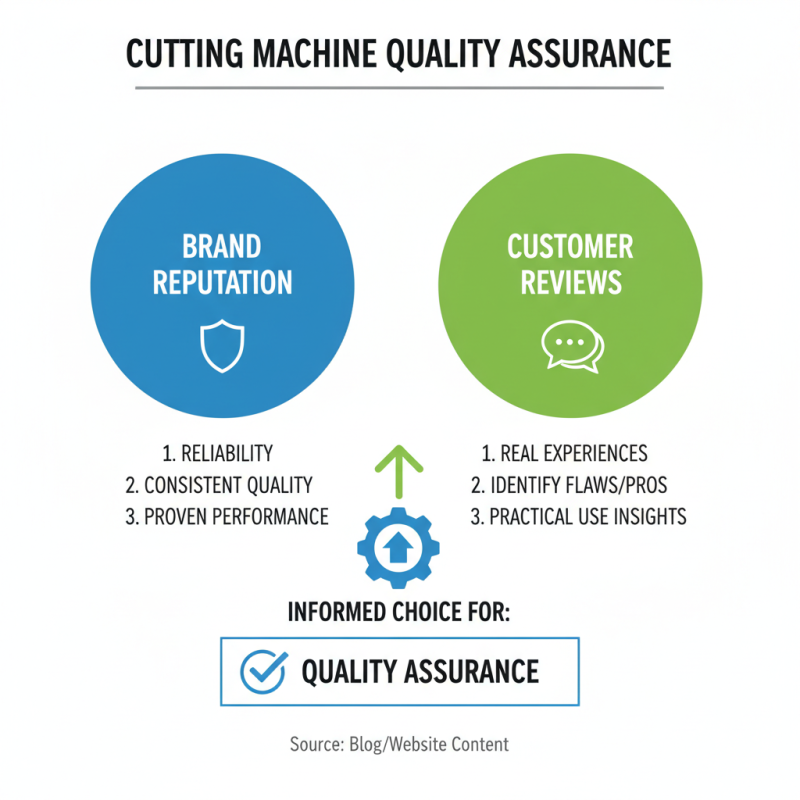
When selecting a cutting machine, brand reputation plays a crucial role. A reliable brand often reflects consistency in quality and performance. Customers typically share their experiences online. Reading these reviews gives insights into potential issues and advantages. Some machines may promise precision but fail in practical use.
Customer reviews provide a wealth of information. Observing trends in feedback can reveal common strengths and weaknesses. Users often highlight durability, ease of use, and maintenance requirements. Moreover, a lack of reviews for a brand can raise red flags. It could indicate low popularity or unresolved issues.
It's important to consider expert opinions as well. Experts often conduct thorough tests and provide unbiased reviews. Their insights may point out technical specifications that influence performance. At times, what seems perfect may not always be the best choice. Sometimes personal needs clash with general recommendations, so personal research is valuable.
Budgeting Wisely: Finding the Best Value for Your Cutting Machine Purchase
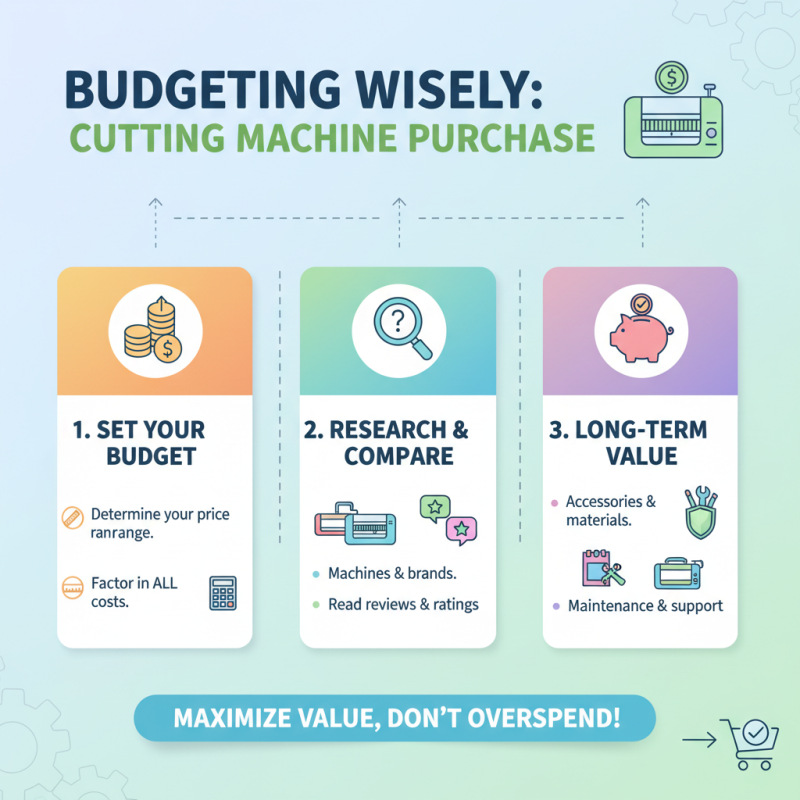
When purchasing a cutting machine, budgeting wisely is crucial. You want to maximize value without overspending. Start by determining your budget range. This helps narrow down your options. Consider all related expenses. This includes maintenance costs and accessories. Sometimes, a cheaper machine can lead to higher long-term expenses.
Look for features that match your needs. A more expensive model may seem appealing but may have unnecessary features. Assess what is essential for your projects. Sometimes, a mid-range product will serve your purposes better. Research is critical here. Read customer reviews and industry insights to understand performance.
Think about the machine's durability. A cheaper model might break down sooner, leading to more spending. You want a reliable machine that lasts. Reflect on how often you’ll use it. If it’s for occasional use, a basic model might suffice. However, frequent users should invest in a robust option to save in the long run. Keep your specific needs at the forefront of your decision.




 Wechat: ANNIELV88