2026 Top Swing Arm Cutting Press for Global Buyers?
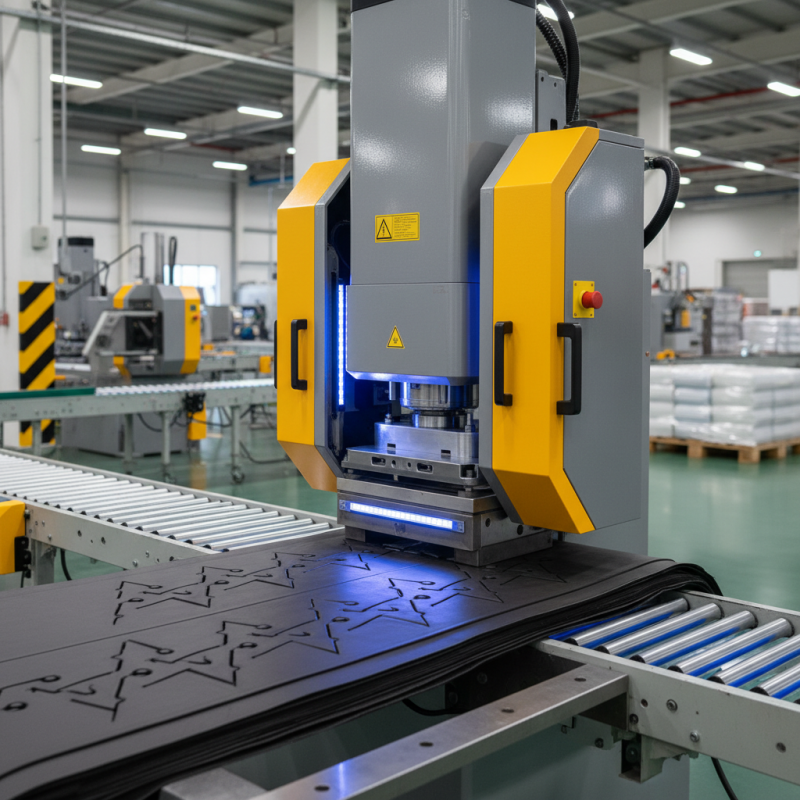
In the fast-evolving manufacturing landscape, the Swing Arm Cutting Press stands out as a vital tool for global businesses. This equipment has significantly transformed how industries approach cutting and forming processes. It offers precision, efficiency, and adaptability, making it indispensable for production lines.
With the growing demand for high-quality outputs, finding the right Swing Arm Cutting Press can be challenging. Various models cater to different needs and materials. Buyers must consider their specific requirements, such as capacity and operational speed. However, it's essential to recognize that not all presses are created equal. Some may lack the robustness expected in high-volume environments.
Investing in a Swing Arm Cutting Press should not be taken lightly. Companies should conduct thorough research before making a purchase. Understanding the technology’s potential, as well as its limitations, is crucial. The right choice can enhance productivity and reduce operational costs. However, a poor decision may lead to costly mistakes, hindering progress.
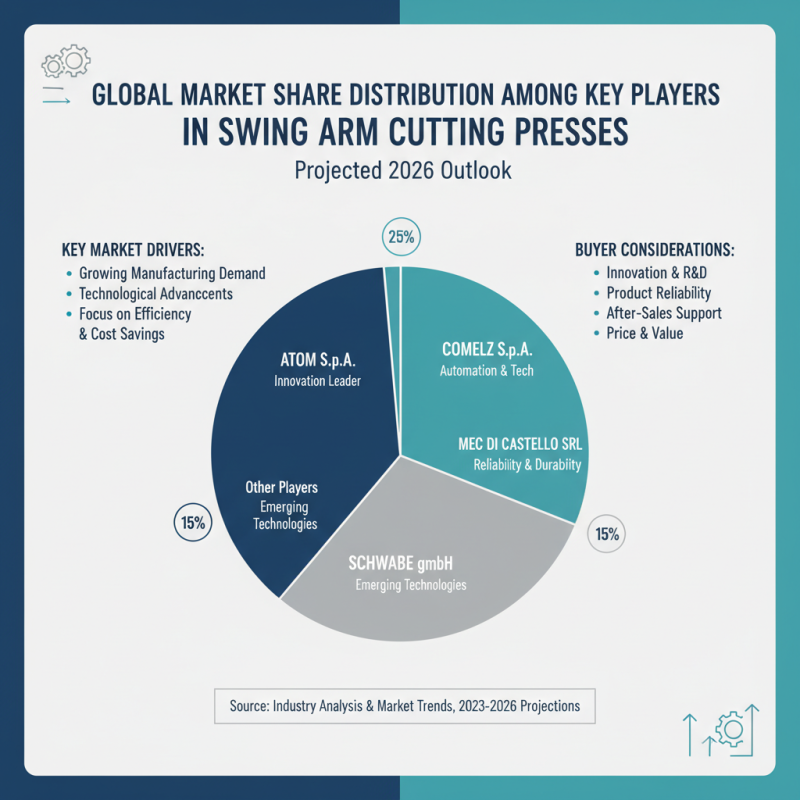
2026 Market Overview of Swing Arm Cutting Press Industry Trends
The swing arm cutting press industry is undergoing a remarkable transformation. Reports suggest that the market is anticipated to grow at a compound annual growth rate (CAGR) of 4.7% by 2026. This growth is driven by rising demand for precision cutting in various sectors, including textiles and plastics. Manufacturers are now focusing on innovative technologies to enhance efficiency.
However, the industry faces challenges. Many manufacturers report difficulties in adapting to new technologies. Skilled labor shortages are prevalent, which affects production quality. Additionally, fluctuating raw material prices contribute to operational instability. These factors create a need for strategic planning and investment in workforce development.
Emerging markets are becoming key players in this industry. Countries in Asia-Pacific are witnessing increased demand, spurred by rapid industrialization. Reports indicate that this region accounts for nearly 40% of swing arm cutting press consumption. Businesses must navigate regulatory frameworks carefully. This is critical for maintaining compliance and competitive advantage in the global landscape.
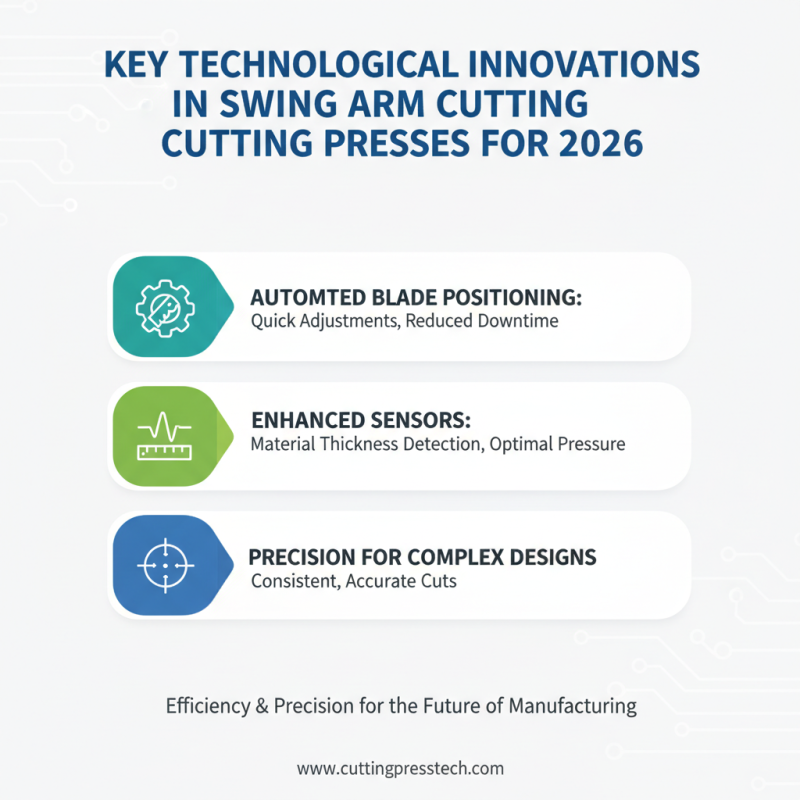
Key Technological Innovations in Swing Arm Cutting Presses for 2026
The swing arm cutting press is gaining attention for its technological advancements. In 2026, buyers are looking for machines that enhance efficiency and precision. Innovative features such as automated blade positioning are becoming commonplace. This technology allows for quick adjustments, reducing downtime during operation. Enhanced sensors can now detect material thickness, which ensures optimal cutting pressure. Buyers appreciate this precision for complex designs.
Moreover, energy efficiency is a significant focus. Many machines now come with eco-friendly options. These models use less power without compromising performance. Manufacturers are also integrating user-friendly interfaces. This makes it easier for operators to navigate settings and adjustments. However, the complexity of these innovations can be overwhelming for some. Training may be required to fully utilize all features.
Additionally, safety remains a critical aspect. New safety sensors prevent accidents during operation. Yet, not all users may understand how to implement these safety features properly. Regular maintenance and proper training become essential. While advancements are promising, the learning curve can be steep, requiring careful attention from operators.
Economic Factors Influencing Swing Arm Cutting Press Adoption in 2026
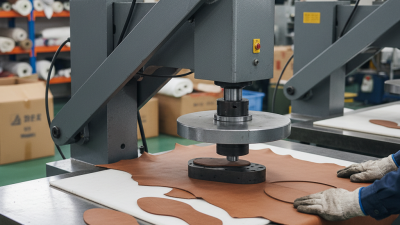
In 2026, the adoption of swing arm cutting presses is heavily influenced by various economic factors. Market reports suggest that the global demand for these machines is rising, driven by advancements in manufacturing sectors. Research indicates that the swing arm cutting press market may grow at a CAGR of around 4.5% from 2023 to 2028. This growth is largely due to the expanding textile and leather industries, coupled with the need for efficiency in production processes.
The cost of raw materials plays a critical role in shaping market trends. For instance, fluctuations in the prices of steel can impact the overall manufacturing costs of swing arm cutting presses. Economic instability in supply chains can lead to price volatility. Moreover, technological advancements have made these machines more efficient, yet budget constraints remain a challenge for some buyers. While many companies recognize the benefits, some hesitate due to initial investment costs or lack of understanding of the technology's potential.
Economic policies, such as tariffs and trade agreements, can also affect market dynamics. In regions with favorable regulations, adoption rates are high. However, in areas facing stricter policies, companies may delay purchases. The balance between immediate costs and long-term benefits remains a critical consideration for global buyers navigating this evolving landscape.
Expected Growth Rate and Demand Forecast for Swing Arm Cutting Presses
The demand for swing arm cutting presses is projected to grow steadily in the coming years. According to industry reports, the global market is expected to reach approximately $1.5 billion by 2026. This growth is fueled by rising automation in manufacturing processes. Industries such as textiles, leather, and automotive are increasingly adopting these machines for precision cutting.
Additionally, the expected growth rate is around 5% annually. Factors driving this trend include increasing labor costs and the need for efficiency. As companies strive to enhance productivity, swing arm cutting presses become more appealing. They offer reduced waste and greater accuracy compared to manual cutting methods.
Nonetheless, challenges persist. Many manufacturers face quality control issues and operational inconsistencies. Ensuring that machines operate at peak performance remains a key concern. Future innovations might address these weaknesses, making swing arm cutting presses even more reliable. The market is ripe for advancements that can enhance usability and address existing gaps.
2026 Top Swing Arm Cutting Press Demand Forecast




 Wechat: ANNIELV88