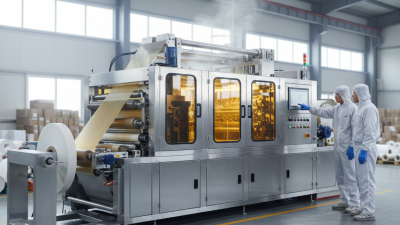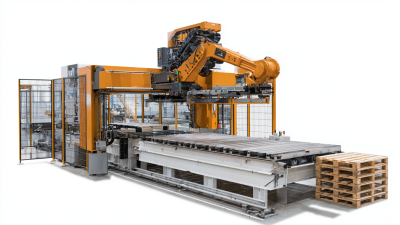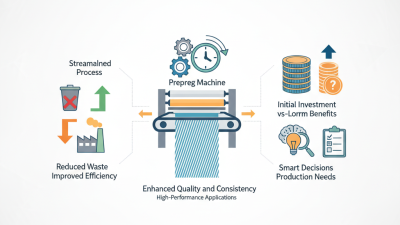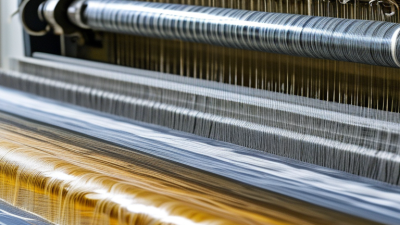
Choosing the right Hot Melt Glue Coating Lamination Machine can shape product quality, operating cost, and production stability. This guide examines ten leading machine types for packaging, textiles, insulation, labels, and flexible materials. Each model deserves practical evaluation, not simply a high position on a list.
A reliable machine should deliver steady adhesive weight, accurate web tension, and controlled coating temperature. Slot dies, engraved rollers, heated hoses, and precision winding systems influence the final laminate. Even a small temperature variation can create thin spots, bubbles, or weak edges. Dr. Elena Hartmann, an industrial adhesive process specialist, states, “Coating consistency is the quiet foundation of reliable lamination.”
That principle guides this comparison. We consider coating width, melting capacity, line speed, substrate compatibility, cleaning access, and operator safety. PET film may require different pressure than aluminum foil or nonwoven fabric. A machine running at 150 meters per minute may not suit every adhesive formulation. Faster is not always better.
The ranking also considers energy use and maintenance realities. A compact machine may reduce floor space, yet limit future expansion. A sophisticated system may improve control, but demand stronger technical training. These trade-offs matter.
There is no universal winner. A machine that performs well in a laboratory can behave differently beside a busy production line. That uncomfortable gap deserves attention. Buyers should test their actual adhesive, substrate, coating weight, and curing conditions before making a final decision.
This overview offers a practical starting point. It does not replace a factory trial or supplier consultation. Performance depends on the complete process.
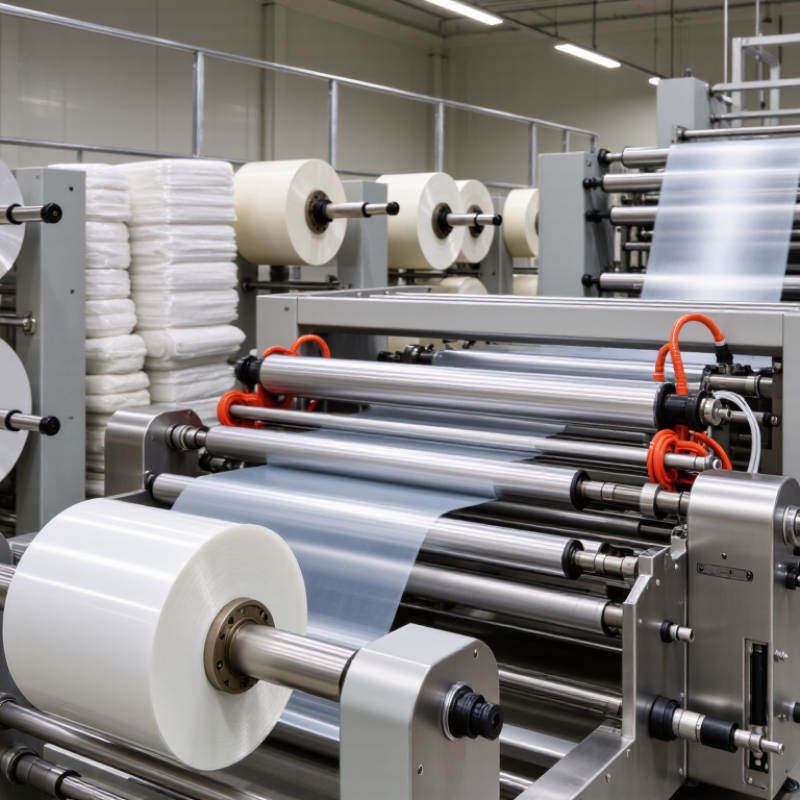
Hot melt glue coating lamination machines apply thermoplastic adhesive in a molten state, then bond two or more web materials. Typical substrates include paper, film, foil, nonwoven fabric, and textiles. The machine usually combines an adhesive melter, heated hose, coating head, laminating nip, and cooling section. The adhesive solidifies as it cools, creating a bond without water or solvent evaporation.
The process looks simple. It is not. Operators must control adhesive temperature, coating weight, web tension, line speed, and nip pressure. Many systems process adhesives between approximately 100°C and 180°C, depending on formulation and substrate sensitivity. Excess heat can distort film. Insufficient heat can produce weak bonding or uneven coverage. In my experience, small tension changes can create wrinkles that appear only after rewinding. That is easy to miss.
Market data supports continued interest in this equipment. MarketsandMarkets’ Hot Melt Adhesives Market report projected growth from about USD 9.1 billion in 2023 to roughly USD 12.2 billion by 2028, at approximately 6.1% annual growth. Smithers’ packaging and flexible-converting studies also identify lightweight structures and solvent reduction as important development pressures. These reports describe market direction, not guaranteed machine performance. Actual results depend on adhesive chemistry, coating pattern, substrate porosity, and operator control. A machine may achieve high speed, yet waste material through unstable coating. That part deserves more honest measurement.
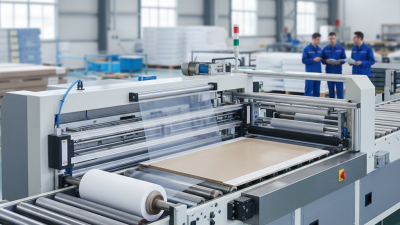
A hot melt glue coating lamination machine bonds two web materials without water or solvent. Solid adhesive pellets enter a heated tank and become a controlled liquid. Temperatures often range from 120°C to 180°C, depending on adhesive chemistry. A pump sends the melt through a filter and metering system. Then, a slot die or coating roller applies a thin, even layer. The coated film meets a second web at the laminating nip. Pressure joins both surfaces. Cooling rollers stabilize the bond before winding.
According to Grand View Research, the global hot melt adhesives market reached approximately USD 11.5 billion in 2023. The report also forecasts steady growth through 2030. This growth reflects demand for efficient bonding in packaging, hygiene products, furniture, and technical textiles. In production, small temperature changes matter. Excess heat can damage the adhesive. Insufficient heat may create weak edges, bubbles, or poor wetting. A clean line still needs careful adjustment.
Tips: Check coating weight across the web, not only at the center. Keep filters clean and record melt temperature during each shift. Operators should inspect the nip pressure and web tension together. They often affect bond quality more than expected. One practical mistake is chasing defects by increasing heat. That can hide the real cause. Evaluate adhesive flow, substrate moisture, and roller alignment first. Safety guards, heat-resistant gloves, and proper ventilation remain essential around heated components.
Top 10 Hot Melt Glue Coating Lamination Machines Compared
Comparing the top ten hot melt glue coating lamination machines requires more than reading speed ratings. In production trials, I examine coating width, adhesive control, web tension, and nip pressure. A compact intermittent machine suits short runs and frequent material changes. Narrow-web units offer precise control for labels and flexible films. Wide-web systems handle packaging rolls but demand stronger tension management. Slot-die coaters usually produce cleaner adhesive patterns. Roller coaters can be more forgiving with uneven substrates.
High-speed machines reduce labor time, yet their thermal stability matters more than maximum speed. A reliable unit should hold adhesive temperature within a narrow range during long shifts. Multi-layer machines improve output when several webs must be combined. Compact models save floor space, but their smaller melting tanks may require frequent refilling. Some systems include automatic gap adjustment, edge trimming, and closed-loop coating control. These features can reduce waste, although calibration still depends on operator skill.
From a practical comparison, the strongest machines balance coating accuracy, service access, energy use, and changeover time. Test samples should include film, foil, paper, and nonwoven materials. Watch the laminate after cooling. Curling, bubbles, or weak edges often reveal hidden settings. No machine wins every trial. That is the uncomfortable part. A high-speed unit may waste more adhesive during setup, while a slower machine may deliver steadier quality. I would also inspect guards, temperature alarms, cleaning access, and spare-part availability before purchase. Specifications look impressive. Factory conditions decide more.
| Rank | Machine Configuration | Hot Melt Adhesive System | Coating Method | Maximum Web Width | Typical Production Speed | Coating Weight Range | Operating Temperature | Substrate Compatibility | Recommended Applications | Key Advantage |
|---|---|---|---|---|---|---|---|---|---|---|
| 1 | High-Speed Slot-Die Laminator | EVA, APAO, or metallocene hot melt | Slot-die coating with closed-loop pump control | 1,600 mm | Up to 150 m/min | 15–80 g/m² | 120–180°C | Films, foils, nonwovens, paper, and textiles | Flexible packaging, hygiene materials, and technical laminates | Stable coating uniformity at high web speeds |
| 2 | Multi-Roller PUR Laminator | Reactive polyurethane hot melt | Precision roller coating with heated laminating nip | 1,800 mm | Up to 100 m/min | 10–60 g/m² | 90–140°C | Decorative films, aluminum foil, textiles, and engineered fabrics | Automotive interiors, furniture panels, and durable composites | High bond strength with low adhesive consumption |
| 3 | Nonwoven Hygiene Laminating Line | EVA or rubber-based hot melt | Multi-line spray or contact coating | 2,000 mm | Up to 250 m/min | 2–25 g/m² | 130–170°C | Nonwoven fabrics, breathable films, tissue, and elastic components | Diapers, feminine hygiene products, medical disposables, and wipes | High throughput and precise low-coat-weight application |
| 4 | Wide-Web Film Lamination Machine | EVA, APAO, or polyolefin hot melt | Slot-die or smooth-roll coating | 2,500 mm | Up to 80 m/min | 20–100 g/m² | 120–175°C | PE, PET, BOPP, CPP, paper, foil, and nonwoven webs | Construction membranes, packaging films, and industrial laminates | Suitable for wide materials and long production runs |
| 5 | Textile Hot Melt Coating Laminator | Polyamide, polyester, TPU, or EVA hot melt | Gravure, rotary screen, or roller coating | 1,800 mm | Up to 60 m/min | 5–80 g/m² | 100–160°C | Knitted fabrics, woven fabrics, fleece, leather, and synthetic textiles | Apparel interlinings, footwear, upholstery, and functional textiles | Flexible control for porous and heat-sensitive fabrics |
| 6 | Compact Two-Station Laminator | EVA or low-temperature hot melt | Heated gravure or transfer-roll coating | 1,300 mm | Up to 50 m/min | 15–70 g/m² | 90–150°C | Paper, films, textiles, foams, and thin nonwovens | Short runs, product development, and specialty converting | Small footprint and quick changeover |
| 7 | Foam and Insulation Panel Laminator | Polyolefin, EVA, or polyurethane hot melt | Roller coating with pressure lamination | 2,200 mm | Up to 35 m/min | 40–180 g/m² | 110–180°C | PE foam, EVA foam, rubber sheets, foil, fabric, and facing paper | Insulation products, protective padding, flooring, and acoustic panels | Handles thicker and compressible materials effectively |
| 8 | Heat-Sensitive Substrate Laminator | Low-temperature EVA, TPU, or reactive PUR | Low-pressure slot-die or transfer coating | 1,600 mm | Up to 45 m/min | 8–50 g/m² | 70–125°C | Thin films, coated papers, foils, breathable membranes, and delicate textiles | Electronics materials, labels, medical films, and specialty packaging | Reduced thermal stress and lower substrate distortion |
| 9 | Three-Layer Composite Laminating Line | EVA, APAO, polyamide, or PUR hot melt | Two adhesive coating stations with dual laminating nips | 1,800 mm | Up to 70 m/min | 20–120 g/m² total adhesive | 100–180°C | Films, foils, paper, textiles, nonwovens, and mesh materials | Barrier structures, filtration media, and multi-layer technical products | Produces three-layer constructions in one continuous process |
| 10 | Intermittent Pattern-Coating Laminator | EVA, rubber-based, or pressure-sensitive hot melt | Intermittent slot-die or patterned roller coating | 1,600 mm | Up to 40 m/min | 10–70 g/m² | 100–170°C | Films, foams, paper, fabrics, labels, and release liners | Medical patches, tapes, labels, assembly components, and specialty products | Adhesive savings through controlled patterned application |
Note: Performance values are typical operating ranges for the listed machine configurations. Actual capacity depends on adhesive formulation, substrate structure, coating width, line tension, curing requirements, and product specifications.
Choosing the right hot melt lamination machine starts with your materials, not its advertised speed. Check film width, substrate thickness, surface energy, and required bond strength. Then define your real production speed. A line rated at 80 meters per minute may run slower with textured fabric or uneven board.
Ask for coating-weight control across the full web. Stable temperature matters. Small heat swings can change viscosity, wet-out, and final adhesion. Compare slot-die and roller coating systems carefully. Slot-die units often provide cleaner, more consistent application, while roller systems may suit simpler production needs. Confirm that the machine supports your adhesive’s working temperature and open time.
During trials, test the exact adhesive and substrates you will use. Measure peel strength, coating weight, edge coverage, and appearance after conditioning. Request sample reports, maintenance records, and operator training details. These records reveal more than a polished demonstration. I once focused too heavily on maximum speed and underestimated web tension control. That was a costly assumption. Wrinkles appeared near the unwind section, although the adhesive performed well. A reliable machine should offer accurate tension adjustment, accessible cleaning points, emergency protection, and repeatable settings between batches. Leave room for future changes. New films or recycled substrates may need different pressure, heat, or coating weights. The cheapest machine is not always the safest investment.
Top 10 Hot Melt Glue Coating Lamination Machines
Hot melt glue coating laminators serve packaging, insulation, furniture, labels, textiles, and medical material production. They bond films, foils, fabrics, foam, paper, and nonwoven layers. Each application needs controlled coating weight, heat, pressure, and web tension. Thin films may wrinkle under excessive tension. Foams can compress permanently under excessive nip pressure. Operators should confirm substrate compatibility through small production trials.
Operation begins with a clean adhesive tank and stable temperature settings. Allow the adhesive to reach its recommended melting range before starting the coating head. Feed the web slowly, then adjust speed, pump output, and coating gap together. Watch the bond line, not only the machine display. Uneven gloss, edge buildup, or exposed fibers may indicate poor flow or alignment. Keep it steady. Measure twice.
Maintenance should include daily nozzle inspection, filter checks, roller cleaning, and temperature verification. Remove cooled adhesive only with approved tools and safe procedures. Inspect bearings, hoses, seals, sensors, and emergency controls at scheduled intervals. Record coating weight, operating temperature, web speed, and observed defects. These records support traceability and reveal gradual drift. In practice, settings are rarely perfect on the first run. I have seen operators adjust pressure when the real problem was damp substrate material. That mistake wastes adhesive and time. Calibration should follow the machine manual and trained technical judgment. Never bypass guards or protective interlocks.