Top 10 Coating and Laminating Machines for Global Buyers?
The demand for high-quality coating and laminating machines continues to grow across industries. According to industry expert John Smith, "Innovations in coating and laminating technologies are reshaping production efficiency." This statement underscores the importance of selecting the right equipment for businesses seeking to enhance output and quality.
Coating and laminating machines play a pivotal role in various sectors. They improve product durability, aesthetics, and performance. From packaging to electronics, these machines enable a wide range of applications. Buyers must navigate an array of options, each tailored to specific needs. Understanding the unique features of each machine is essential for informed decisions.
Choosing the right coating and laminating machines is not without challenges. Some buyers may overlook the importance of technical support and maintenance services. This oversight can lead to operational inefficiencies. Crafting an effective strategy requires careful consideration and expertise. Reflecting on past experiences can help buyers avoid common pitfalls in their selection process.
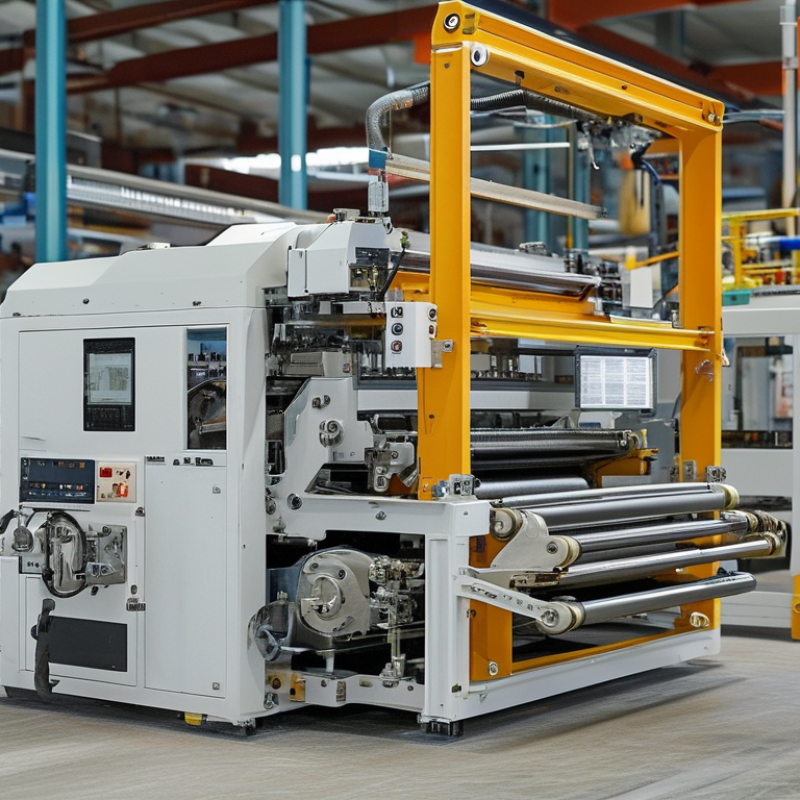
Overview of Coating and Laminating Machines in the Market
The global coating and laminating machines market is undergoing rapid transformation. In 2022, the market value reached approximately $6.5 billion, with an expected growth rate of 4.5% CAGR through 2030. This indicates a robust demand for efficient, high-quality machines across various industries. In particular, the packaging and textile sectors are driving this growth by seeking advanced solutions to enhance product durability and aesthetics.
Energy efficiency has emerged as a crucial factor for buyers. It is reported that around 30% of manufacturers are prioritizing energy-efficient technologies to reduce operational costs. However, many machines do not fully meet energy-saving expectations, prompting a reevaluation of their designs and functionalities. Additionally, while automation is on the rise, companies sometimes face challenges in balancing automation with flexibility in production lines.
User-friendly interfaces are becoming essential in modern machines. Feedback suggests that operators often struggle with complex controls, leading to inefficiencies. Targeting simpler designs can improve overall productivity and reduce training times. Addressing these shortcomings could be pivotal in meeting the evolving needs of diverse buyers in the market.
Key Features to Consider in Coating and Laminating Machines
When selecting coating and laminating machines, several key features should be examined closely. These machines must ensure
precision application of coatings across various substrates. Consistency is crucial for achieving high-quality finishes. A well-designed machine provides
uniform coverage while minimizing waste, which can improve operational efficiency.
Another important aspect is the machine's versatility. It should be capable of handling different materials. For instance, some machines
perform well on paper, while others excel with plastics or textiles.
This flexibility can broaden product offerings and meet diverse client needs. Additionally, compatibility with various coating types is essential. Machines that accommodate both
water-based and solvent-based coatings can enhance production processes.
Ease of operation is also a significant consideration. User-friendly interfaces can reduce training time for operators. While advanced features
like automatic tension control increase productivity, they may require more complex setups. Machine maintenance is another area worth pondering. Regular upkeep
is vital for longevity, but some designs may complicate access to critical components. A balance must be struck between cutting-edge technology and practical user experience.
Top 10 Coating and Laminating Machines for Industry Use
Coating and laminating machines play a vital role in various industries. They are essential for enhancing the durability and appearance of products. These machines can apply protective layers on surfaces. Many industries benefit from their use, including packaging, automotive, and electronics.
Choosing the right machine can be challenging. Factors to consider include production capacity, speed, and the types of materials being coated. Understand your specific needs before making a decision. A thorough evaluation of your production line and desired outcomes is crucial.
Tips: Regular maintenance extends the life of your machine. Schedule cleaning and inspection to avoid unexpected breakdowns. Training operators is equally important. Properly trained staff can optimize machine performance and minimize errors. Remember that feedback from your team is valuable. They can provide insights into potential improvements.
Top 10 Coating and Laminating Machines for Industry Use
Comparative Analysis of Machine Performance and Costs
When selecting a coating or laminating machine, performance and costs are crucial considerations. Each machine presents unique capabilities, affecting both efficiency and end results. For instance, some machines excel in speed, while others may offer superior quality but at a higher price. Conduct a thorough assessment of the specifications to align them with your production needs.
Tips: Consider the long-term benefits. A cost-effective machine might have higher maintenance costs. Evaluate not just the upfront price but the overall life cycle cost. Look for machines with customizable features, which can adapt to varying production volumes. This flexibility may save you money in the long run.
It's important to reflect on your choices. The highest price doesn’t guarantee the best performance. Sometimes, lower-tier machines perform admirably for niche applications. Document your testing results for each machine. This data can guide future purchases and help identify potential areas of improvement in your production line.
Top 10 Coating and Laminating Machines for Global Buyers
| Machine Model |
Max Speed (m/min) |
Coating Thickness (µm) |
Laminating Type |
Cost (USD) |
| Model A |
200 |
5 |
Hot Lamination |
15,000 |
| Model B |
180 |
10 |
Cold Lamination |
12,500 |
| Model C |
250 |
7 |
Hot Lamination |
18,000 |
| Model D |
150 |
8 |
Cold Lamination |
10,000 |
| Model E |
230 |
6 |
Hot Lamination |
20,000 |
| Model F |
190 |
9 |
Cold Lamination |
13,000 |
| Model G |
210 |
5 |
Hot Lamination |
19,000 |
| Model H |
175 |
11 |
Cold Lamination |
11,500 |
| Model I |
205 |
6 |
Hot Lamination |
17,000 |
| Model J |
160 |
10 |
Cold Lamination |
9,500 |
Trends and Innovations in Coating and Laminating Technology
In recent years, the coating and laminating industry has witnessed significant innovations. These advancements have reshaped how materials are processed and marketed. Improved technologies enhance product durability and user experience. New applications like biodegradable coatings are emerging, reflecting a shift towards sustainability.
Another trend is the integration of automation in machinery. Automated systems increase efficiency and reduce human error during production. Advanced sensors and software provide real-time monitoring, allowing for better quality control. However, this reliance on technology requires skilled operators to manage complexities. There’s a fine line between automation benefits and potential skill gaps.
Logistical challenges remain. Supply chain disruptions can affect the availability of raw materials. Companies must remain agile to navigate fluctuations in resources. Innovations are exciting, but they come with hurdles that require ongoing evaluation. Balancing technological advancements with practical implementation will be key for future success in this field.



 Wechat: ANNIELV88