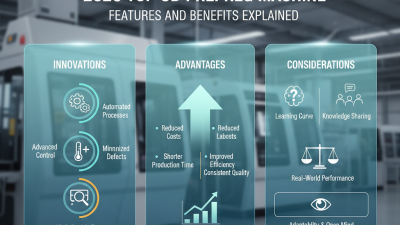
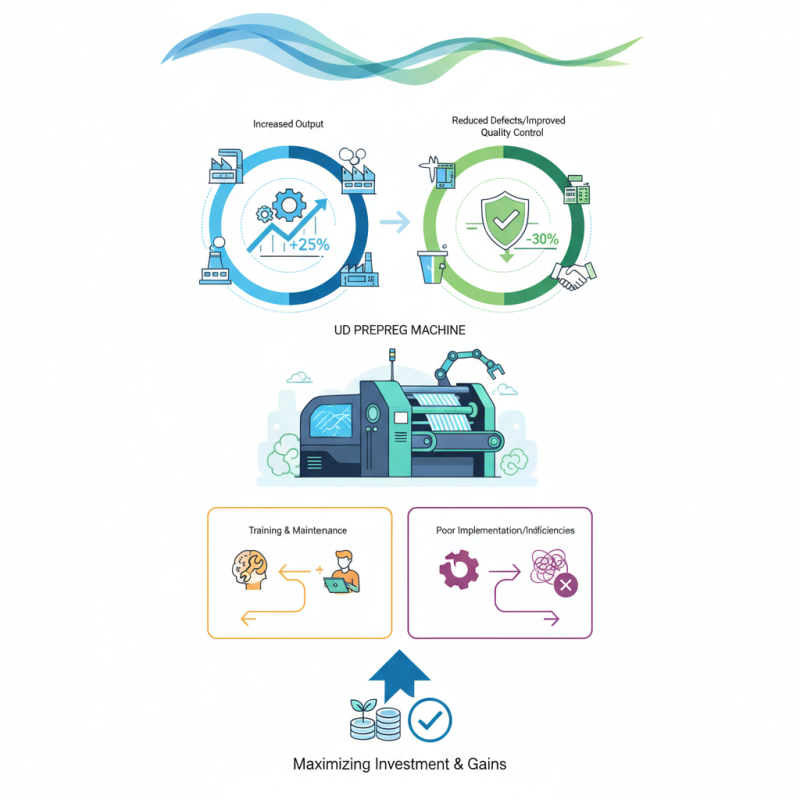
In today's competitive manufacturing landscape, the adoption of advanced technologies is crucial. The Ud Prepreg Machine stands out as a revolutionary tool that enhances production efficiency. According to industry reports, companies implementing such machinery have seen a 25% increase in output. This boost is a testament to the machine's precision and effectiveness in handling composite materials.
Utilizing the Ud Prepreg Machine can significantly improve quality control. Reports indicate that users experience a 30% reduction in defects. This not only saves costs but also strengthens brand reputation. The reliability of the machine supports businesses in meeting high standards consistently.
However, integrating this technology requires a thoughtful approach. Companies must consider training and maintenance aspects. A poorly implemented system can lead to inefficiencies, counteracting potential benefits. Companies that prioritize proper onboarding and support enjoy the most remarkable gains from their investment in the Ud Prepreg Machine.
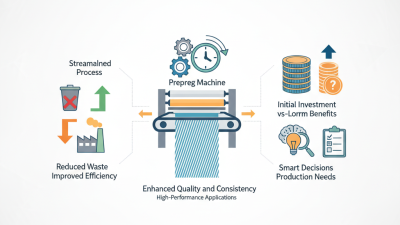
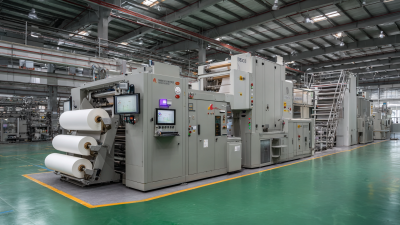
In today’s competitive landscape, efficiency is paramount. Utilizing advanced prepreg machines can significantly enhance production processes. These machines reduce labor costs while ensuring consistent quality. By automating various production stages, businesses can meet increasing demand without compromising standards.
Production efficiency surges with these machines. They streamline operations, allowing companies to produce more in less time. The precision offered leads to minimal waste materials, resulting in cost savings. These machines can operate continuously, boosting output rates. However, initial setup can be complex. Companies might face a learning curve during this transition.
Investing in prepreg technology brings both challenges and rewards. Training staff to use new systems is essential. Even small errors in operation can lead to costly repercussions. Businesses must remain vigilant during implementation to ensure efficiency gains are realized. Understanding the machine's capabilities can help maximize productivity. It's a balance between harnessing technology and refining processes.
| Benefit | Description | Impact on Production Efficiency |
|---|---|---|
| Increased Speed | Ud Prepreg Machines allow for quicker curing times compared to traditional methods. | Boosts throughput and reduces lead time. |
| Consistent Quality | Provides uniform material properties and reduces variability in production. | Enhances product reliability and performance. |
| Reduced Waste | Minimizes excess material use and defects in production. | Lowers material costs and enhances sustainability. |
| Automation | Integrates with automated systems for streamlined operations. | Decreases labor costs and increases production rate. |
| Versatility | Can process a variety of materials and part sizes easily. | Supports diverse manufacturing needs without significant reconfiguration. |
| Improved Safety | Less manual handling reduces injury risks in production. | Creates a safer working environment and potential for less downtime. |
| Enhanced Performance | Produces stronger and lighter components for various applications. | Improves product performance and customer satisfaction. |
| Energy Efficiency | Utilizes energy-efficient processes and technology. | Lowers operational costs and environmental impact. |
| Scalability | Easily adapts to increased production demands without major changes. | Facilitates growth and expansion opportunities. |
| Cost Savings | Reduces overall costs through efficient production processes. | Increases profit margins and competitive advantage. |
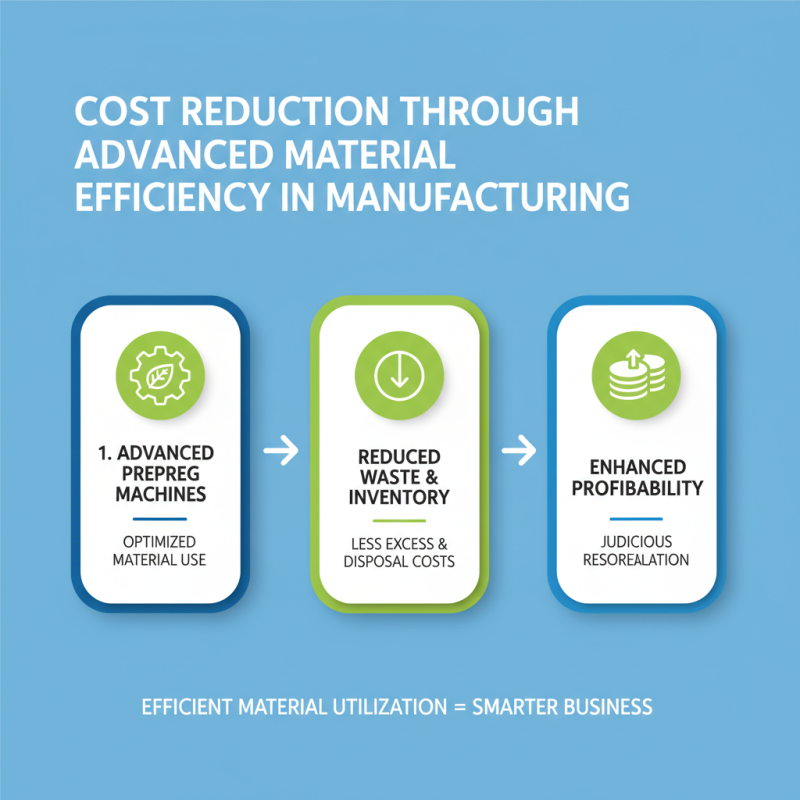
The use of advanced prepreg machines in manufacturing can significantly enhance material efficiency. By optimizing the use of materials, businesses can reduce waste. When materials are used more effectively, the costs associated with excess inventory and disposal decrease. Efficient material utilization helps businesses allocate resources more judiciously.
A key factor in cost reduction is the ability to create precise components with minimal waste. Prepreg machines can ensure that the exact amount of material is used in each production run. This reduces offcuts and leftover materials, which often contribute to increased operational costs. However, organizations may struggle to adapt to these technologies, as not all employees are well-trained in their operation.
Investing in advanced prepreg technology can also improve product quality. High-quality products result from using the right amounts of materials. Discrepancies in material amounts can lead to defects. Understanding this balance is crucial, yet many companies overlook it. Continuous training and monitoring are necessary to maintain standards. Adopting this technology fosters an environment of innovation but requires commitment and ongoing evaluation.
In today’s competitive manufacturing landscape, maintaining product quality is paramount. Utilizing advanced techniques, such as UD prepreg machine technology, can dramatically enhance both quality and consistency. Reports indicate that precision prepreg processes reduce material defects by up to 30%. This is essential in industries like aerospace and automotive, where even minor imperfections can lead to significant failures and costly recalls.
Deploying these machines allows for greater control over fiber alignment and resin distribution. A study showed that products made with such precision techniques demonstrate strength improvements of nearly 20% compared to traditional methods. Consistency in production also decreases variability, which often plagues manufacturers. With less deviation in products, businesses can enhance customer satisfaction and loyalty.
However, the transition to using UD prepreg machines is not without its challenges. Initial setup costs and training requirements can be daunting for some companies. Moreover, achieving optimal performance often requires ongoing adjustments and refinements. This continuous improvement process can demand time and resources. Businesses must stay committed to assessments and adaptations, ensuring they reap the full benefits of precision prepreg techniques.
The composite manufacturing industry is evolving. Using a UD prepreg machine can enhance sustainability practices significantly. These machines allow manufacturers to create high-strength, lightweight materials with minimal waste. This process reduces the carbon footprint of production. Preservation of natural resources is vital in today’s manufacturing landscape. Companies committed to sustainability are gaining a competitive edge.
Investing in advanced machines can be a game-changer. These systems optimize the use of raw materials, ensuring every layer contributes to the final product. This attention to detail helps in minimizing excess. To maximize benefits, regular maintenance of the machines is crucial. Poorly maintained equipment can lead to higher waste levels. Make it a routine to check and calibrate machines often.
Training staff on eco-friendly practices is essential. Educate them on the machine’s capabilities and benefits. A well-informed team can drive sustainability initiatives effectively. Encourage innovative ideas to recycle and reuse materials. This cultural shift can make a significant impact on production efficiency and sustainability goals. The journey towards sustainability has its challenges, but the rewards are worth pursuing.
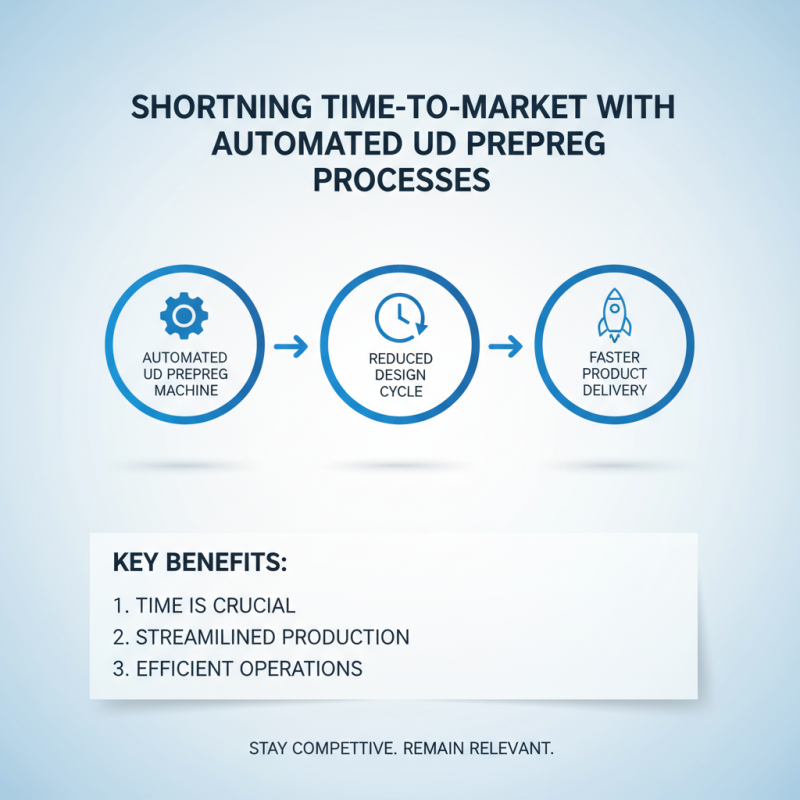
In today’s competitive market, time is crucial. Businesses need to shorten their time-to-market to remain relevant. Automated UD prepreg processes can be the key. These machines streamline the production process, allowing for more efficient operations. When using an automated UD prepreg machine, the design cycle reduces significantly. This means faster delivery of products to customers.
Automating the prepreg process also minimizes human error. Consistent quality control is vital for maintaining trust with customers. The machine ensures precise measurements and uniform layers. However, there may be a learning curve for staff. Training can require additional time and resources. It’s essential to invest in skilled operators to fully utilize the technology.
Moreover, efficiency sometimes comes at a cost. Initial capital investment may be high, and not all businesses can afford it. Companies must weigh the benefits against the financial implications. Adopting new technology can lead to disruption, and proper change management is necessary. Balancing automation with human expertise is critical in this evolving landscape.