What is a Pu Coating Laminating Machine and How Does it Work?
The Pu Coating Laminating Machine plays a critical role in various industries, especially in packaging and textiles. According to a recent market analysis, the global laminating machine market is projected to reach $2.5 billion by 2025, indicating a robust demand for advanced technologies like PU coating. This machine provides enhanced durability and protection for a wide range of materials.
Understanding how a Pu Coating Laminating Machine operates is essential for manufacturers aiming to improve product quality and longevity. The machine applies a polyurethane coating that not only enhances the aesthetic appeal but also offers water resistance and chemical protection. Recent studies reveal that products with PU coatings show a 30% increase in lifespan compared to uncoated materials.
While the benefits are clear, it is essential to recognize that not all machines deliver the same quality. Variances in technology and process can affect performance. This highlights the importance of selecting reputable manufacturers and considering machine specifications carefully. Therefore, a deeper exploration into the workings of the Pu Coating Laminating Machine can aid in making informed decisions for business growth.
What is the Definition of a PU Coating Laminating Machine?
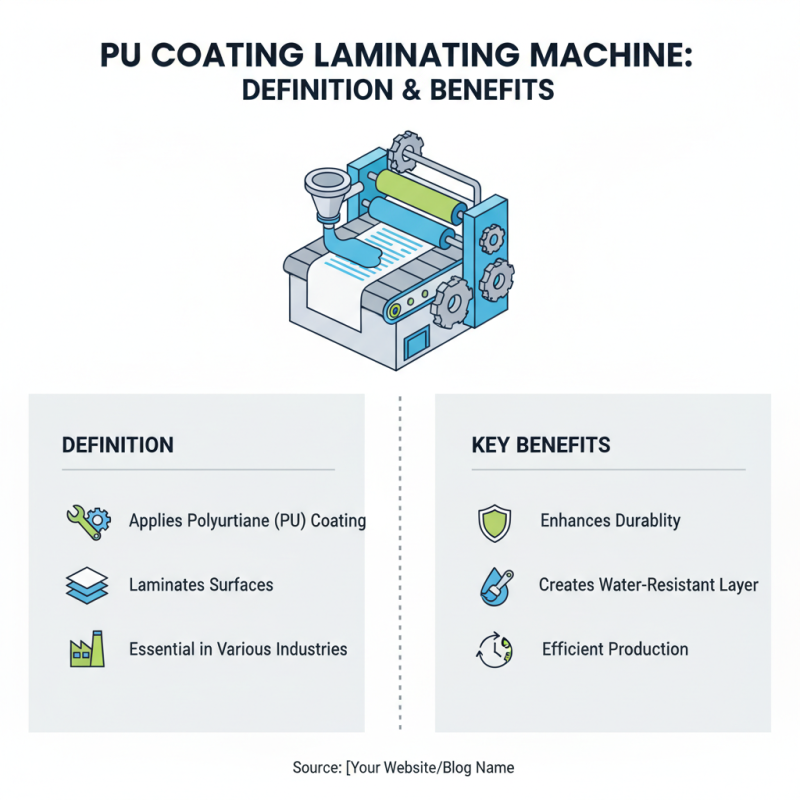
A PU coating laminating machine is essential in various industries. It applies a polyurethane (PU) coating on surfaces, enhancing durability and aesthetics. This machine is notable for its efficiency in producing laminated materials. Users particularly appreciate its ability to create a water-resistant layer.
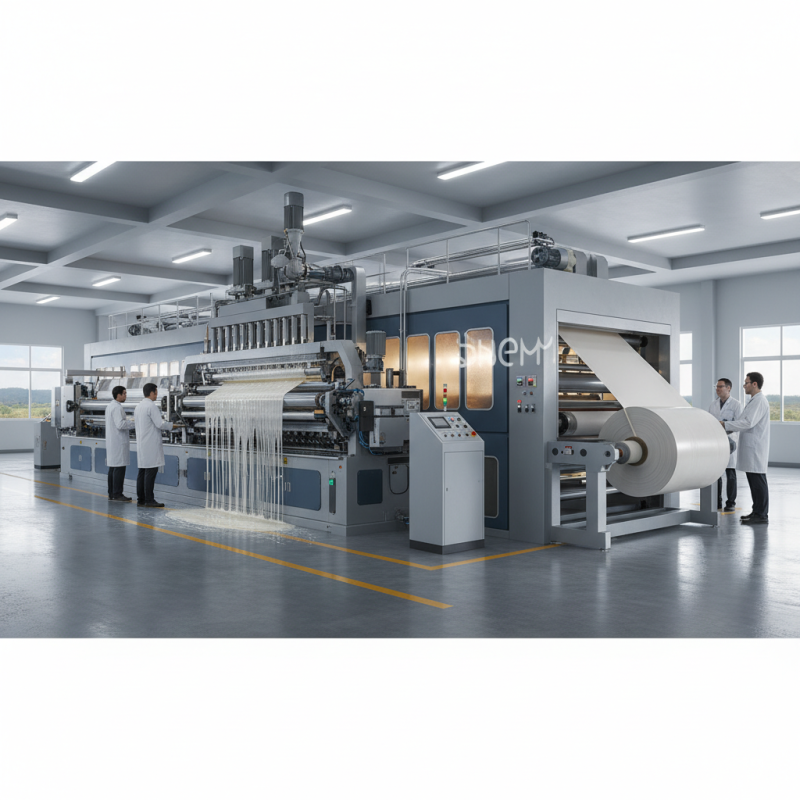
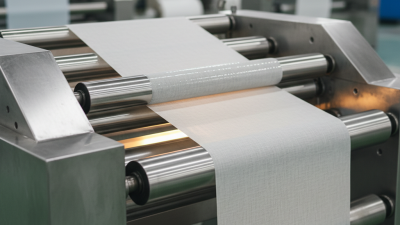
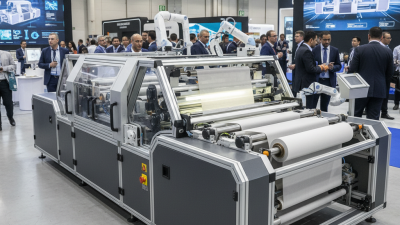
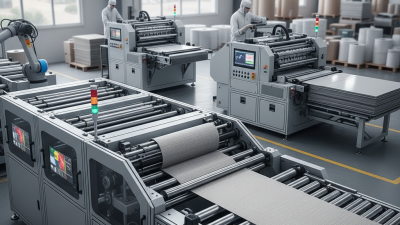
The basic operation involves applying heat and pressure to combine a substrate with a PU layer. Typically, the machine feeds the substrate through rollers. Hot rollers melt the PU coating, which adheres to the surface. The process may seem straightforward, yet it requires precise control of temperature and pressure. Any inconsistency can lead to defects.
These machines vary in size and complexity. Some can handle large volumes, while others are more compact, suitable for smaller operations. Despite their efficiency, maintaining these machines can be a challenge. They require regular cleaning and inspection to ensure optimal performance. This aspect is often overlooked in many facilities, leading to unforeseen downtime. Continuous training for operators also remains crucial for maximizing the potential of the machine. Employing skilled personnel can address many issues before they escalate.
Key Components of a PU Coating Laminating Machine Explained
A PU coating laminating machine integrates several key components that work together to create robust laminated products. At its core is the coating unit, which evenly distributes polyurethane across the substrate. This unit requires precise adjustment to ensure a uniform layer. If not done right, inconsistencies can lead to poor adhesion and product failure.
Another essential component is the laminating roller, which applies pressure to bond the coating to the surface. The pressure level must be monitored carefully. Too much pressure can damage the substrate, while too little may result in weak adhesion. This delicate balance requires skilled operators who understand the nuances of the process.
Additionally, the heating system plays a crucial role. It activates the polyurethane, allowing it to cure and bond effectively. Improper temperature control can hinder the curing process, leading to time delays and increased waste. Regular maintenance and calibration of these components are vital. Small fluctuations can cause significant issues in production quality. Overall, understanding these components deeply enhances operational efficiency and product reliability.
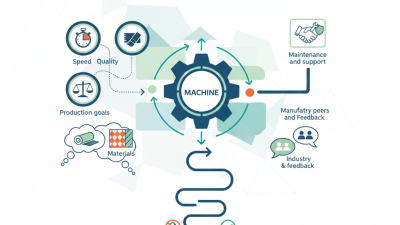
The Process of PU Coating Application: Step-by-Step Overview
PU coating application is a critical process in manufacturing, enhancing durability and resistance in various products. The procedure typically involves several essential steps. Initially, the substrate is cleaned thoroughly to remove contaminants. This ensures optimal adhesion of the PU coating. Recent industry reports indicate that proper surface preparation can increase adhesion strength by up to 30%.
Following the cleaning phase, the PU coating is applied via a laminating machine, which uniformly distributes the coating across the surface. This stage demands precision. Even minor inconsistencies can result in weak spots or uneven finishes. Data shows that a poorly applied coat can lead to a 15% reduction in product lifespan. After application, the coating is cured, allowing it to bond effectively.
The entire process requires skilled operators who understand the intricacies of material interactions. Experience plays a vital role in achieving the desired results. However, this area faces challenges, including the need for continuous training and staying updated with technology advancements. Reports indicate that up to 25% of production issues arise from operator error. Manufacturers are encouraged to invest in training to improve efficiency.
PU Coating Application Process: Step-by-Step Overview
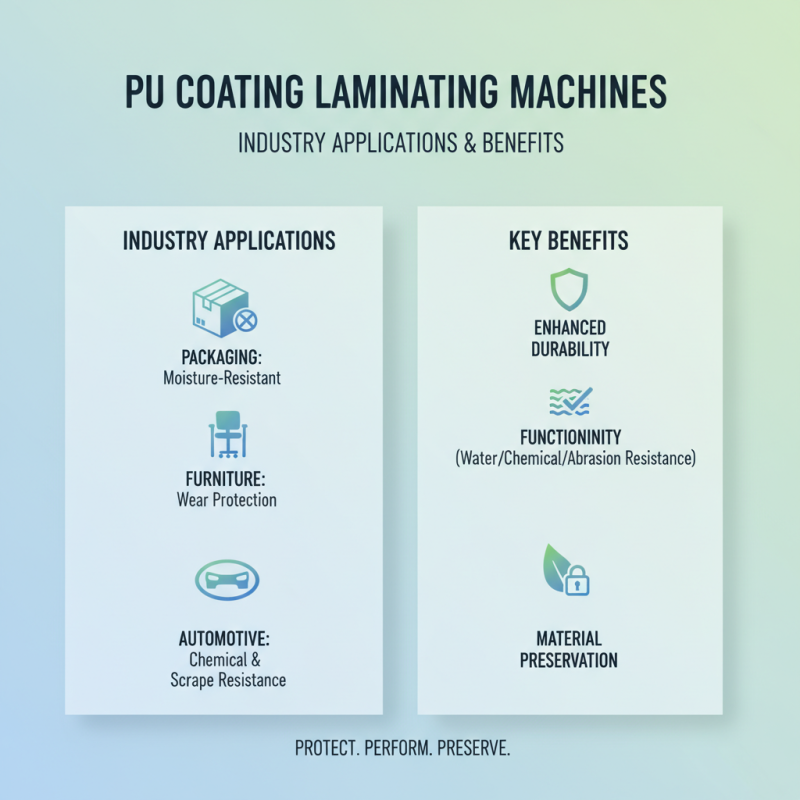
Industry Applications and Benefits of PU Coating Laminating Machines
PU coating laminating machines are versatile tools in various industries. They enhance the durability and functionality of materials. Commonly used in packaging, furniture, and automotive sectors, these machines provide a protective layer. This layer can be resistant to water, chemicals, and physical wear. For example, moisture-resistant packaging is vital for food safety. It preserves freshness and prevents contamination.
Additionally, PU coatings improve the aesthetic appeal of products. They offer gloss, texture, and color options that attract consumers. Manufacturers often utilize these machines to create visually appealing displays. The process also increases the lifespan of products, leading to less waste. However, operators must remain aware of the machine’s settings. Incorrect parameters can lead to inadequate bonding or surface defects.
In the textile industry, PU coating enhances fabric performance. The laminated materials become more water-resistant and breathable. This improves comfort and usability in outdoor gear or workwear. Yet, there are limits to this technology. For some applications, additional treatments or coatings might be necessary. Understanding these nuances is crucial for achieving optimal results.
Market Trends and Innovations in PU Coating Lamination Technology
PU coating lamination technology is evolving rapidly in various industries, including textiles, automotive, and furniture. The global market for PU coatings is projected to reach $10.8 billion by 2027, growing at a CAGR of 4.8% from 2022 to 2027. Innovations in this field focus on enhancing durability, scratch resistance, and environmental sustainability. Manufacturers are adopting water-based PU coatings to reduce VOC emissions, appealing to eco-conscious consumers.
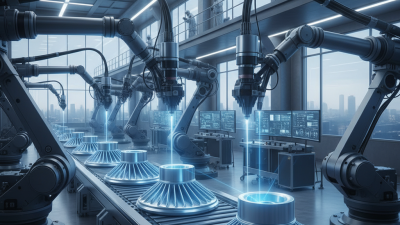
Recent advancements include the integration of smart technologies in PU coating machines. Some modern machines now utilize automated controls for precise lamination. This addition improves efficiency and minimizes material waste, contributing to cost-effectiveness. Industry experts report that the adoption of digitalization in machinery has increased production speed by 25%, a significant boost for manufacturers.
Nonetheless, challenges remain. The machinery often requires specialized training for operators, leading to increased labor costs and time during transitions. Quality control procedures must be iterated regularly to ensure consistency in product output. Companies are still figuring out how to balance these challenges while keeping pace with market demands. The focus is on improving both machine functionality and operator efficiency.



 Wechat: ANNIELV88