Why Choose a Prepreg Machine for Ud Fabric Manufacturing?
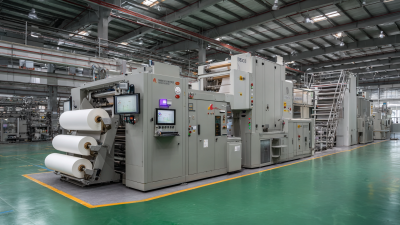
When it comes to manufacturing Ud fabric, the choice of machinery is crucial. A Prepreg Machine For Ud Fabric stands out among the options available. This machine enhances the quality and consistency of fabric production, making it a top choice.
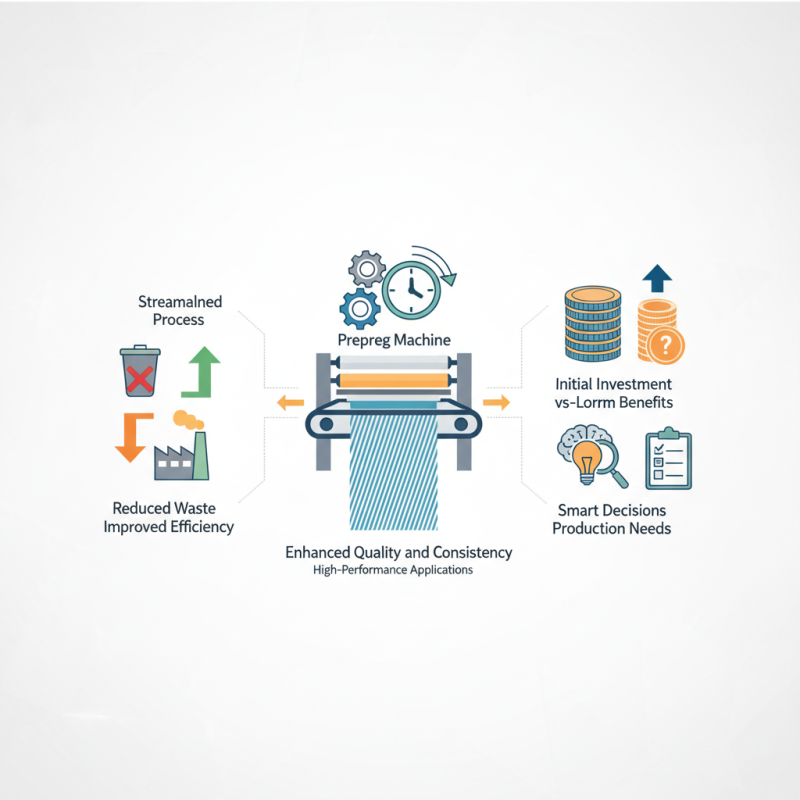
One significant advantage is its ability to streamline the manufacturing process. Instead of traditional methods, a prepreg machine offers precision and speed. This technology helps to reduce waste and improve efficiency. However, the initial investment can be daunting. Companies must weigh cost against long-term benefits.
Moreover, the reliability of a PrepReg Machine For Ud Fabric is vital. It creates materials that withstand high-performance applications. Yet, not every manufacturer may need such technology. Evaluating production needs is essential to ensure this investment is worthwhile. It's not just about having advanced equipment; it's about making smart decisions for growth.
Benefits of Using Prepreg Machines in Ud Fabric Manufacturing
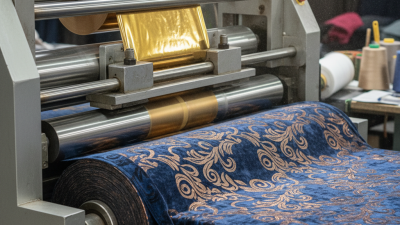
Prepreg machines are revolutionizing the manufacturing of UD fabrics. These machines allow precise application of resin to fibers, leading to consistent quality. According to a market report, the demand for UD fabrics in aerospace and automotive is projected to rise by 7% annually. This growth highlights the value of integrating advanced technology in production.
Using prepreg machines improves efficiency. The automated processes reduce labor costs and minimize waste. Research shows that using prepreg technology can cut material waste by up to 25%. This not only helps the environment but also reduces production costs significantly. Additionally, the curing process is faster, enabling quicker turnaround times for manufacturers.
However, transitioning to prepreg machines is not without challenges. Initial investment costs can be high. Some manufacturers may struggle with training staff on new technology. Reflecting on these hurdles is essential. Yet, the potential for higher quality UD fabrics is compelling, making the investment worthwhile.
Benefits of Using Prepreg Machines in UD Fabric Manufacturing
Understanding the Prepreg Process for Ud Fabric Production
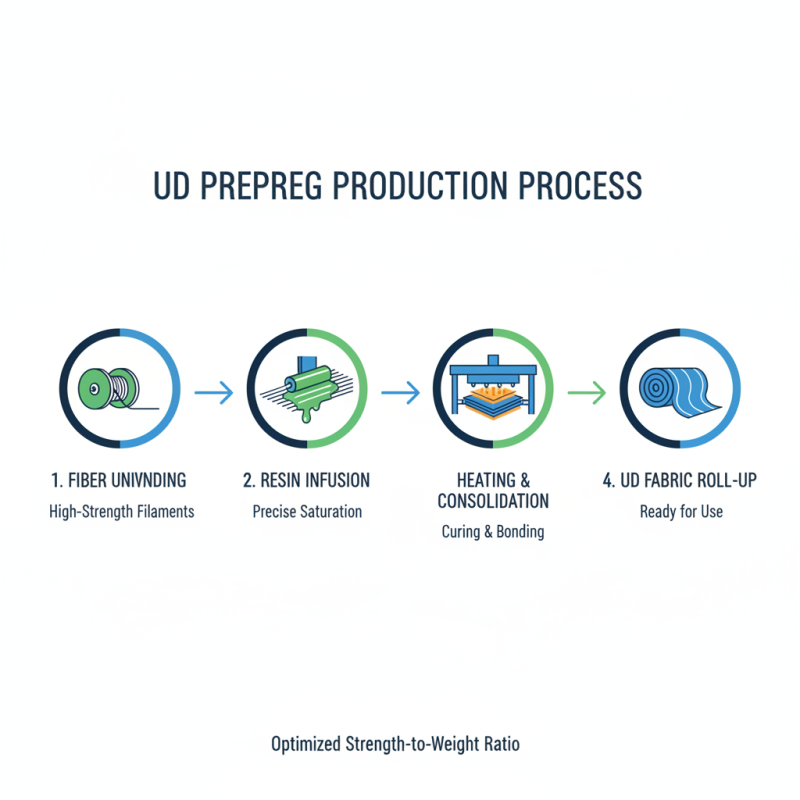
Understanding the prepreg process for UD fabric production involves several crucial steps. Prepreg, or pre-impregnated composite material, is created by infusing fibers with a resin system. This process ensures better fiber-to-resin ratios, leading to strong and lightweight fabric. The UD structure allows for high strength in one direction, ideal for various applications.
The initial stage is careful selection of materials. Choose the right fibers that meet your project needs. For instance, carbon or aramid fibers are popular in aerospace and automotive sectors. After that, the impregnation of fibers with resin must be uniform. Uneven resin distribution can lead to weak spots in the fabric.
**Tips:** Monitor the temperature and humidity during production. These factors significantly affect resin curing. Additionally, ensure that your machine is calibrated correctly for optimal performance. A minor error in settings can result in defects.
Curing is another vital phase where temperature control is crucial. Apply consistent heat to allow proper resin hardening. Any fluctuations can lead to inconsistencies. Inspect the final product carefully. Look for air bubbles or misalignments in the fibers. These are common issues and can compromise strength.
**Tips:** Conduct regular maintenance on your prepreg machine. This reduces breakdowns and ensures high-quality outputs. Educate your team on identifying and correcting issues during production. Taking these precautions helps streamline the prepreg process.
Key Features of Prepreg Machines for Enhanced Efficiency
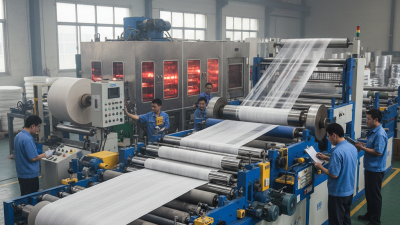
Prepreg machines play a crucial role in the production of UD fabrics. They bring efficiency and precision to the manufacturing process. One of the key features is their ability to control temperature and pressure accurately. This results in consistent resin distribution across the fabric. Accurate settings lead to better performance and fewer defects.
Another important aspect is automation. Prepreg machines often include advanced automated systems. This reduces human error and speeds up production time. However, the initial investment can be high. Manufacturers need to weigh these costs against potential savings from increased efficiency.
Moreover, ease of use can vary. Some machines have intuitive interfaces, while others require extensive training. Ensuring that staff is well-trained is essential yet challenging. The learning curve might lead to temporary setbacks in production. Ultimately, these factors contribute to the overall effectiveness of the prepreg machines in UD fabric manufacturing.
Cost-Effectiveness of Prepreg Machines in Fabric Manufacturing
Prepreg machines offer a compelling solution for fabric manufacturing, particularly in terms of cost-effectiveness. According to a recent industry report, the total cost of ownership for prepreg machines can be up to 30% lower compared to traditional methods. This substantial savings arises from reduced labor costs and increased production efficiency. For manufacturers, optimizing resource allocation can significantly impact profitability.
Additionally, advanced technologies in prepreg machines lead to higher fabric quality. Quality control issues can result in up to 15% of production waste. With precise automation, these machines can minimize such waste. Data shows that manufacturers using prepreg machines report a yield improvement of up to 20%. This not only enhances profit margins but also contributes to sustainability goals by reducing material waste.
However, initial investment remains a concern. While a significant reduction in operating costs is notable, the upfront cost can be a barrier. Many manufacturers must weigh this against their budget and production needs. Exploring financing options or starting with smaller-scale models can make this transition smoother. Balancing cost and efficiency may require careful planning and assessment.
Comparative Analysis: Prepreg Machines vs. Traditional Methods
Prepreg machines offer significant advantages over traditional methods in UD fabric manufacturing. A recent industry report indicates that manufacturing with prepreg technology can reduce waste by up to 30%. This efficiency stems from precise material application, minimizing excess during the production process. In contrast, traditional methods often lead to higher scrap rates. These inefficiencies can result in elevated costs.
In terms of labor, prepreg machines streamline operations. Studies show that automation can cut labor costs by nearly 25%. With fewer manual steps, workers focus on quality control rather than repetitive tasks. However, transitioning to prepreg technology may require initial investment in training and equipment. Some companies struggle with this shift, facing a steep learning curve.
Quality is another key area impacted by the chosen method. Prepregs generally deliver superior mechanical properties. Data suggests that prepreg-derived composites exhibit stronger tensile and flexural strengths compared to traditionally processed fabrics. However, achieving consistency can sometimes be a challenge. Variations in temperature and humidity during manufacturing can lead to discrepancies. Continuous monitoring and adjustment are crucial for maintaining desired quality levels.



 Wechat: ANNIELV88