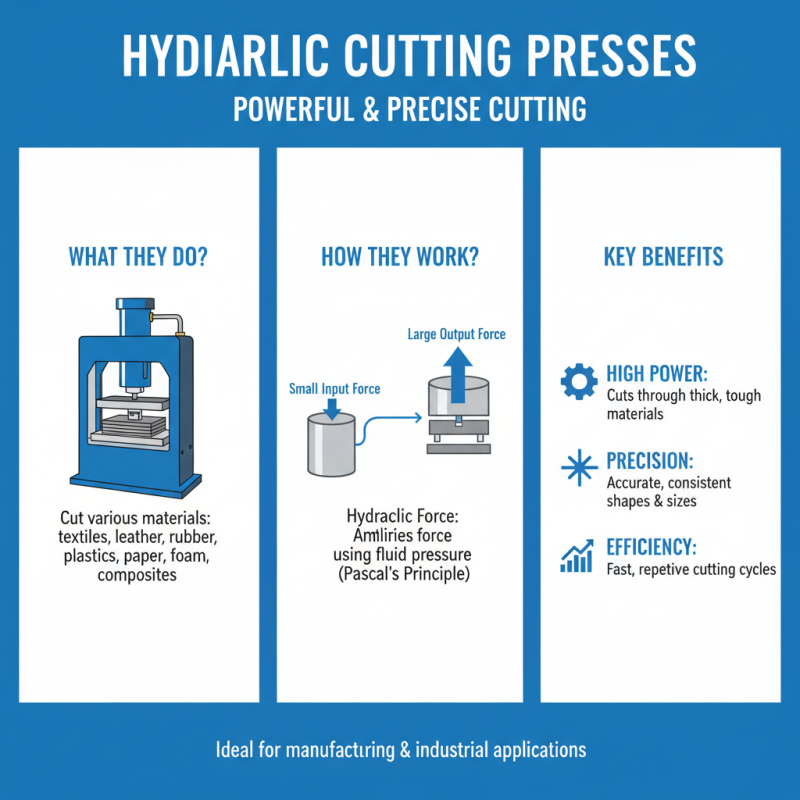
What is Hydraulic Cutting Press and How Does it Work?
A Hydraulic Cutting Press is a powerful machine used in various industries. This equipment utilizes hydraulic force to create precise cuts in different materials, such as metal, plastic, or fabric. The process is efficient and can handle large volumes of work, making it a popular choice for manufacturers.
Understanding how a Hydraulic Cutting Press functions is essential for optimizing its use. The machine relies on hydraulics to generate significant force, allowing for clean and accurate cuts. Its design includes various components that work together seamlessly. Users must be aware of the machine’s limitations and best practices to achieve the desired results.
While the Hydraulic Cutting Press is effective, it demands careful operation. Improper use can lead to material waste or machine damage. Maintaining the press and training operators are crucial steps for success. Even experienced users might overlook small details, leading to inefficiencies. Thus, continuous learning is vital to harness the full potential of this remarkable tool.
What is a Hydraulic Cutting Press?
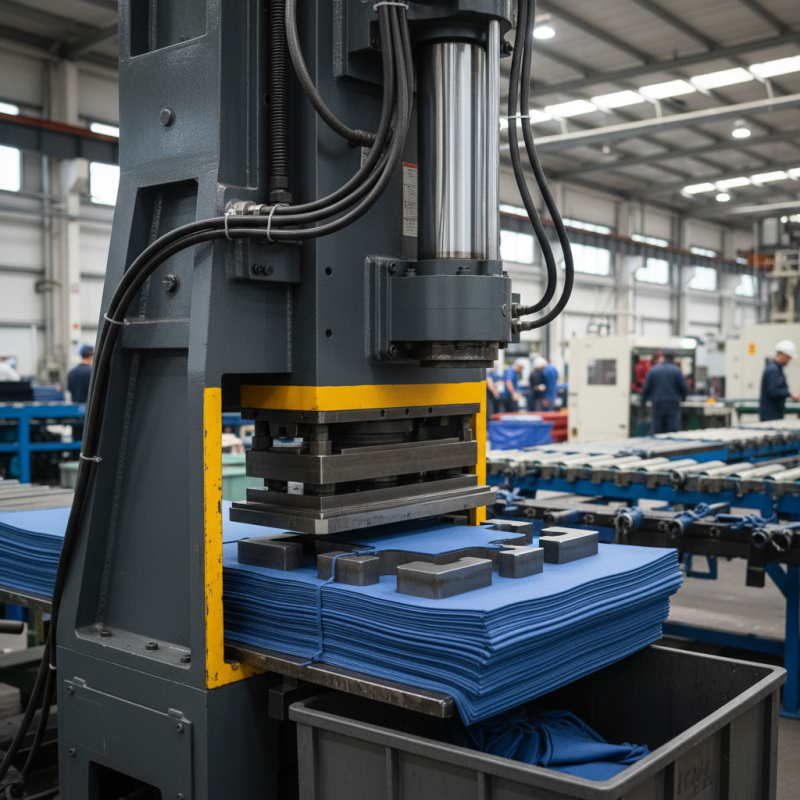
A hydraulic cutting press is a powerful tool used in various manufacturing processes. It employs hydraulic force to shape, cut, or form materials. This device uses a hydraulic cylinder to generate large amounts of pressure. As a result, it can easily cut through thick metals or other tough materials. The operation is straightforward yet effective.
The design of the hydraulic cutting press is vital. It typically consists of a frame, hydraulic system, and cutting tools. Operators must be trained to use it safely and efficiently. The machine requires regular maintenance for optimal performance. Neglecting this can lead to malfunctions or decreased cutting efficiency.
While the hydraulic cutting press boasts impressive capabilities, it’s not without flaws. If improperly calibrated, the press can produce uneven cuts. Additionally, safety precautions must be enforced rigorously. A lapse in safety can result in serious injuries. Therefore, understanding both its strengths and weaknesses is crucial for effective use in production environments.
Key Components of Hydraulic Cutting Press
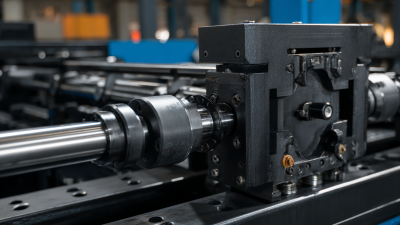
Hydraulic cutting presses are essential in various industries, including automotive and manufacturing. Understanding the key components helps in optimizing their performance. A hydraulic cutting press consists mainly of the hydraulic system, cutting table, and cutting tool. Each part plays a crucial role in the cutting process.
The hydraulic system generates the force required for cutting. It typically involves a pump, actuators, and reservoirs. According to industry reports, hydraulic systems can provide up to 100 tons of force, making them suitable for tough materials. The cutting table supports the material during the cutting process. It needs to be robust and stable to ensure precision. In an ideal design, the table should minimize vibration and movement, enhancing accuracy.
Moreover, the cutting tool is vital for achieving desired shapes and sizes. Different materials require specific tools, which can lead to complexity. An average hydraulic cutting press may use 4-5 different tools for varied applications. While this flexibility is beneficial, it also increases maintenance challenges. Regular inspections are essential to avoid failures. Understanding these components can lead to more efficient operations, yet many still overlook the importance of routine checks.
Hydraulic Cutting Press - Key Component Performance Comparison
How Hydraulic Cutting Press Works: A Step-by-Step Guide
Hydraulic cutting presses are powerful machines used to cut various materials. They operate on the principle of hydraulic force, which amplifies a relatively small input force into a much larger output force. This makes them ideal for tasks that require significant power and precision.
When the machine is activated, hydraulic fluid is pumped into a cylinder. This builds pressure that forces the cutting blade down onto the material. The pressing process can be controlled easily, allowing operators to adjust the speed and depth of the cut. Different materials—like metal, plastic, or fabric—can be cut efficiently, depending on the blade and settings used.
However, it’s essential to be cautious during operation. Operators should ensure proper alignment of materials to avoid uneven cuts. Regular maintenance is vital to prevent mechanical failures and ensure safety. Sometimes, the quality of the cuts can vary due to multiple factors, like tool sharpness or material thickness. Operators need to adapt quickly and think critically about their setup for the best results.
Applications of Hydraulic Cutting Press in Various Industries
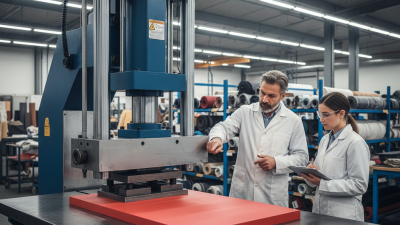
Hydraulic cutting presses are vital in many industries. They utilize hydraulic pressure to apply force, making them ideal for cutting various materials. These machines are common in manufacturing, metalworking, and agriculture. Their precise control allows for clean cuts, essential for quality production.
In the automotive industry, hydraulic cutting presses shape metal parts with high accuracy. They can produce components for vehicles, ensuring uniformity and strength. In textiles, they cut fabrics efficiently, enhancing productivity. This technology also finds its place in the packaging sector, where precise cuts improve the finish of products.
Tip: Regularly maintain your hydraulic cutting press for optimal performance. Wear and tear can affect accuracy over time. Additionally, consider the type of material being cut. Some materials may cause faster wear on the cutting edges.
In construction, these presses can cut materials like wood and plastic. However, operators must be cautious. Mistakes can lead to waste and safety hazards. Always double-check measurements before cutting.
Tip: Training is key. Ensure all operators understand the machine's functions. A well-informed team minimizes errors and improves efficiency.
What is Hydraulic Cutting Press and How Does it Work? - Applications of Hydraulic Cutting Press in Various Industries
| Application Industry |
Material Processed |
Maximum Pressure (ton) |
Typical Thickness Range (mm) |
| Automotive |
Steel |
200 |
1 - 10 |
| Aerospace |
Aluminum |
150 |
0.5 - 5 |
| Textile |
Synthetic Fabrics |
50 |
1 - 15 |
| Construction |
Cement Board |
100 |
5 - 20 |
| Electronics |
Circuit Boards |
30 |
0.1 - 3 |
Benefits of Using Hydraulic Cutting Press Over Mechanical Presses
Hydraulic cutting presses have gained popularity in various industries due to their efficiency and precision. Unlike traditional mechanical presses, hydraulic presses utilize hydraulic fluid to generate force. This allows for a more consistent and uniform cutting action, particularly in complex shapes and materials. According to a report from the International Journal of Mechanical Engineering, hydraulic presses can operate at up to 80% energy efficiency, compared to 60% for mechanical presses.
One of the main advantages of hydraulic cutting presses is their ability to handle different materials easily. They can cut through thick metal, plastic, or even composites without excessive wear on the machine. A study by the Manufacturing Technology Research Institute indicated that hydraulic presses can increase production speed by up to 50%. This efficiency results in reduced operational costs, which is crucial for competitive businesses.
However, there are points to consider. Hydraulic systems can be complex, and maintenance may require special training. Operators must ensure that fluid levels are adequate and be aware of potential leaks. Overall, while hydraulic cutting presses offer significant benefits, the challenges associated with their operation must be addressed to fully capitalize on their advantages.





 Wechat: ANNIELV88