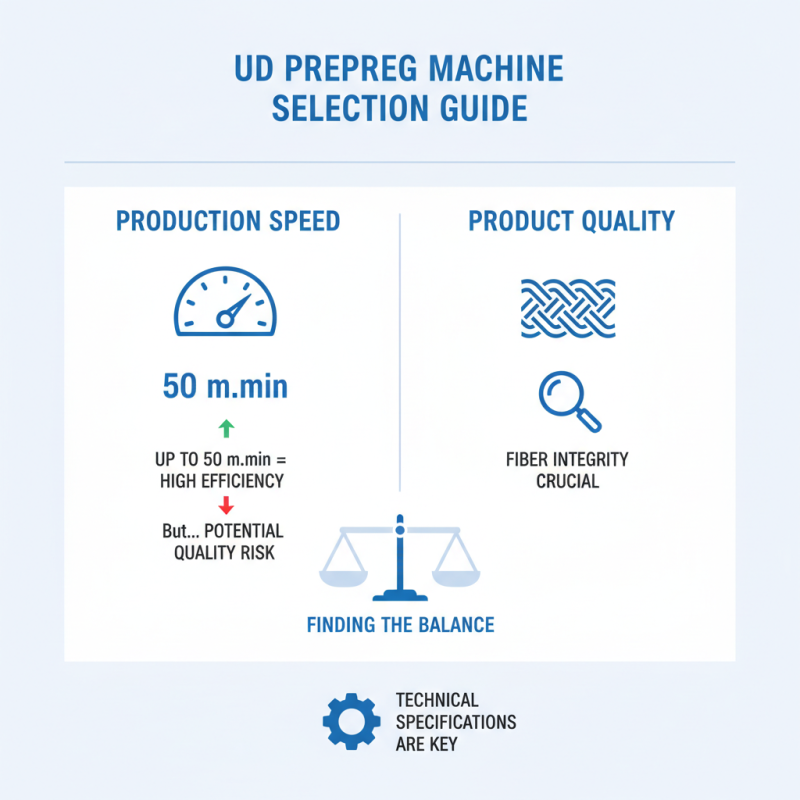
How to Choose the Right Prepreg Machine for UD Fabric Production?
Choosing the right Prepreg Machine for UD Fabric production can greatly impact the quality and efficiency of manufacturing processes. According to Jane Smith, a leading expert in composite materials, “Investing in the right equipment is crucial for optimizing production and ensuring consistency.” Her insights highlight the importance of understanding the specific needs of your operation.
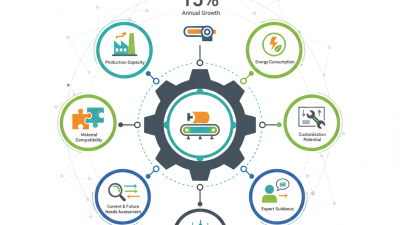
When considering a Prepreg Machine for UD Fabric, several factors come into play. The machine’s throughput, reliability, and adaptability to different materials are vital. However, many manufacturers often overlook the significance of integration with existing systems. This can lead to bottlenecks in production and increased costs.
It's also essential to reflect on how your choice affects sustainability. Some machines consume more energy than others. Evaluating such aspects can enhance both performance and environmental responsibility. Balancing these elements can be challenging, but the right decision can propel your operations forward.
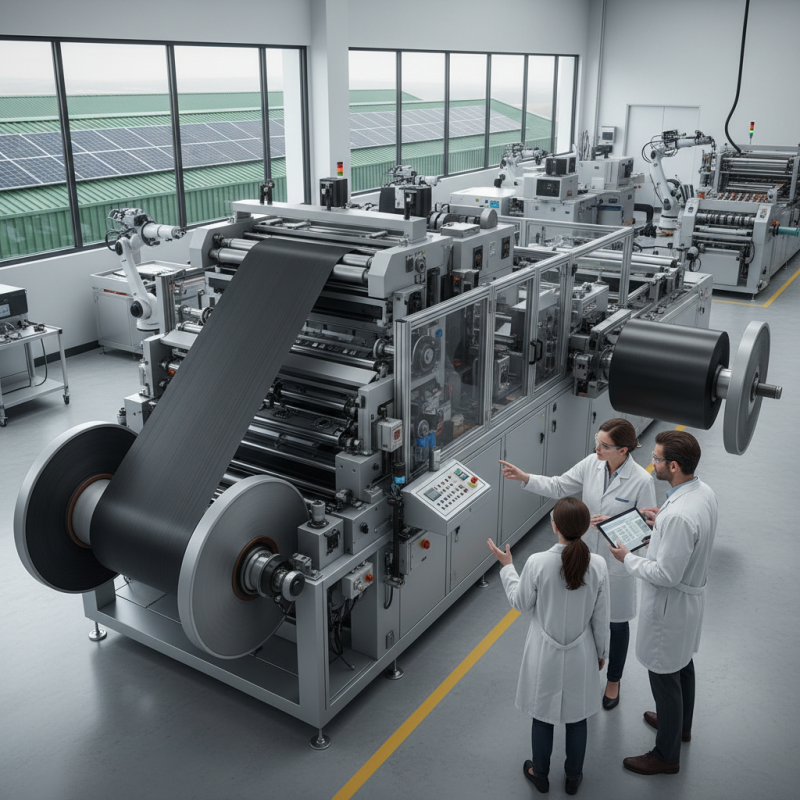
Understanding UD Fabric and Its Applications in Composite Materials
Unidirectional (UD) fabric is a critical component in the production of composite materials. This fabric is composed of parallel fibers, oriented in a single direction. This orientation provides unique mechanical properties, making it ideal for various applications, including aerospace, automotive, and sporting goods. According to a report by MarketsandMarkets, the global composite materials market is projected to grow from $23.4 billion in 2022 to $44.8 billion by 2027, driven largely by advances in UD fabric technology.
One notable advantage of UD fabric is its high strength-to-weight ratio. This feature enhances the performance of structures while minimizing overall weight. In applications, such as aircraft components, every ounce saved can lead to significant improvements in fuel efficiency. However, the production of UD fabric is not without its challenges. Achieving consistent quality and performance requires precise manufacturing conditions and equipment. Manufacturers often struggle with variations in fiber alignment, which can affect the ultimate strength of the composite materials.
While UD fabric holds immense promise, there are still areas needing improvement. The intricate balance of fiber tension and layering demands constant monitoring to ensure optimal performance. Proper calibration of prepreg machines is vital. Many manufacturers report a learning curve when adopting new technologies. The journey to mastering UD fabric production requires both investment and a willingness to adapt to evolving techniques. Understanding the nuances of this process can lead to better outcomes in the long run.
Key Factors to Consider When Selecting a Prepreg Machine
Choosing the right prepreg machine for UD fabric production involves various important factors. One critical aspect is the machine's capability to handle tension. Uniform tension during the impregnation process leads to consistent fiber placement. Machines that lack this feature can result in uneven material, affecting the final product quality.
Another essential consideration is curing time and temperature. Some machines may not provide precise control over these elements. Variations can cause issues in curing, leading to potential weaknesses in the prepreg. It’s crucial to assess whether the machine offers accurate settings to meet specific project needs.
Lastly, consider the machine's maintenance requirements. Complex systems might need frequent repairs, which can disrupt production schedules. Efficient machines should balance performance and ease of upkeep. Reflecting on these factors can help ensure that the chosen equipment aligns with production goals. Remember, the right choice can significantly impact efficiency and quality.
Types of Prepreg Machines and Their Suitability for UD Fabric
Choosing the right prepreg machine for unidirectional (UD) fabric production can be complex. There are various types of machines available, each with unique features. Understanding which machine suits your needs is crucial for efficiency and quality.
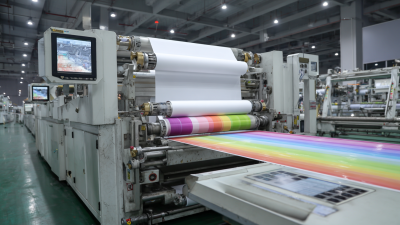
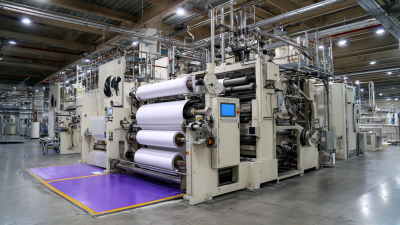
Hot melt machines are popular for UD fabric. They apply heat to the resin, ensuring a perfect bond with the fibers. Research shows that these machines can reduce resin weight by up to 30%. However, they require careful temperature control. Too much heat can lead to resin degradation.
Cold melt machines, on the other hand, offer flexibility. They are easier to operate and can handle various materials. A recent industry survey indicated that 45% of manufacturers prefer cold melt machines for small-scale production. Nevertheless, cold melt technology sometimes results in uneven distribution of resin. This variability can impact the final product's performance.
In conclusion, evaluating the specific requirements of your UD fabric application is vital. Consider the efficiency, production capacity, and final fiber properties. Balancing these factors will lead to informed decision-making and better product outcomes.
Industry Standards and Quality Control in UD Fabric Production
In the production of UD (unidirectional) fabrics, maintaining industry standards is crucial. These standards ensure the durability and performance of the final product. Fabrics must withstand rigorous testing. For instance, tensile strength is a key measure. It indicates how much force the fabric can handle without breaking. Testing should include not only the raw materials but also the manufacturing process.
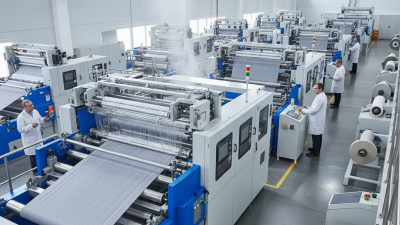
Quality control is not just a checkbox. It demands attention to detail at every stage. Even slight deviations in material composition can lead to significant issues. Microscopic defects are often overlooked but can compromise performance. Regular audits and inspections are essential. A structured process helps identify problems early. Simple checks, like fiber alignment, can make a difference. Consistency in manufacturing processes is vital.
However, achieving perfect quality is challenging. Mistakes happen, and new machines may have teething issues. The complexity of the production process can lead to variability. Continuous learning and adaptation are necessary. Companies must invest in training their staff. Understanding the materials and machines is key. Only then can they ensure that the UD fabric produced meets the high standards required in the industry.
How to Choose the Right Prepreg Machine for UD Fabric Production? - Industry Standards and Quality Control in UD Fabric Production
| Machine Type |
Production Capacity (kg/h) |
Maximum Width (mm) |
Temperature Range (°C) |
Control Type |
Quality Assurance Features |
| Type A |
50 |
1250 |
180-250 |
Automatic |
Inline quality inspection |
| Type B |
75 |
1500 |
160-240 |
Semi-Automatic |
Data logging feature |
| Type C |
100 |
1800 |
175-260 |
Fully Automatic |
Automated quality control system |
| Type D |
30 |
1000 |
150-230 |
Manual |
Periodic manual inspection |



 Wechat: ANNIELV88