Why Choose Ud Fabric Production Line for Your Business Needs?
In today’s competitive textile industry, choosing the right production line is crucial. The Ud Fabric Production Line stands out for its efficiency and innovation. This technology can significantly boost production speed and reduce waste, essential factors in a market where sustainability is increasingly paramount. According to a report from the Textile Institute, nearly 70% of businesses prioritize sustainability in their manufacturing processes by 2025.
Expert Jane Huang, renowned for her work in textile machinery, once stated, “Investing in a modern Ud Fabric Production Line can redefine production capabilities and enhance product quality.” Her insight highlights the significance of adopting advanced technologies. As companies aim to meet consumer demand, a reliable production line becomes a strategic asset.
Furthermore, adopting the Ud Fabric Production Line can present challenges. The initial investment can be high, and transitioning to new systems requires training. Companies must weigh long-term benefits against these short-term hurdles. However, the potential for technological advancements and improved efficiency makes this choice increasingly appealing.
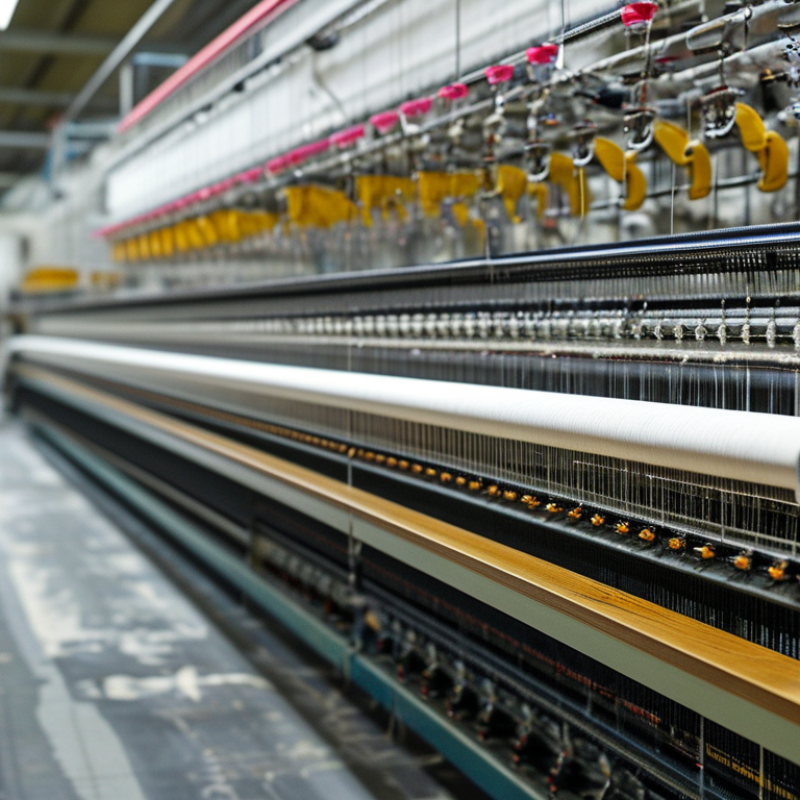
Understanding the Importance of Fabric Production Lines in Business
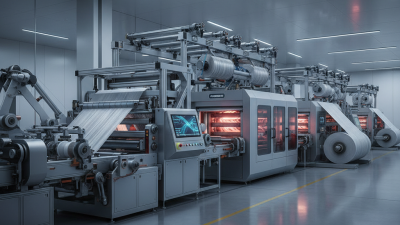
In today's competitive market, fabric production lines play a crucial role in business strategy. They streamline operations, enhance efficiency, and ensure quality control. For businesses aiming to meet high consumer demands, investing in a robust fabric production line is vital. The capacity to produce varied fabrics quickly can set a company apart from its competitors.
Choosing a production line requires careful consideration. Evaluate the types of fabrics you intend to produce. This decision influences your equipment choice. Additionally, assess your production volume requirements. Overestimating can lead to unnecessary costs. Underestimating may hinder your ability to fulfill orders.
Tips: Regularly review your production process. This helps in identifying bottlenecks and optimizing workflow. Consider incorporating automation for consistent quality. However, be wary of over-reliance on machines. Human oversight remains essential. Always stay informed about technological advancements in fabric production. This knowledge can drive continuous improvement in your business.
Key Features of Ud Fabric Production Line Technology
The Ud Fabric Production Line technology comes with several key features that make it a compelling choice for businesses. One notable aspect is its efficiency. According to a report by the Fabric Industry Association, production lines utilizing advanced technology can enhance output by up to 30%. This means faster production times and reduced labor costs.
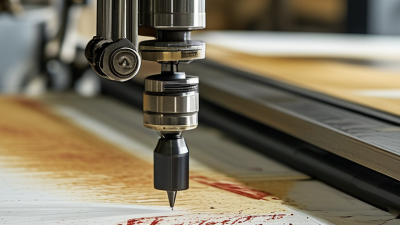
Moreover, the precision of the Ud Fabric Production Line technology allows for high-quality fabric production with minimal defects. Industry research indicates that defects can lead to losses as high as 15% in the production phase. Therefore, investing in a production line that minimizes these errors not only boosts quality but also improves the bottom line.
Another critical feature is the adaptability of the production line. Modern lines can adjust to various fabric types, meeting the demands of an ever-changing market. Many companies still struggle with equipment that cannot keep pace with trends. A flexible production system can enable businesses to respond quickly, which is crucial in today’s fast-moving industry landscape. While many companies have successfully integrated such technology, some still face challenges in initial setup and training, indicating a need for continuous improvement and adaptation.
Benefits of Choosing Ud Fabric Production Line for Efficiency
The efficiency of a production line can significantly shape a business's success. Choosing a Ud Fabric Production Line offers multiple benefits that enhance operational productivity. According to recent industry reports, companies utilizing advanced fabric production setups report up to 30% higher output efficiency. This stark contrast emphasizes the importance of selecting the right technology for manufacturing needs.
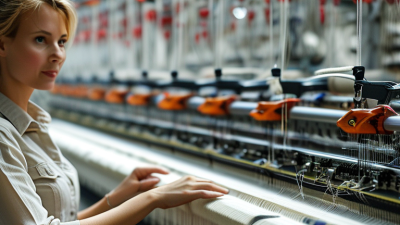
One of the key benefits of the Ud Fabric Production Line is its automation capabilities. Automated processes reduce the likelihood of human error and speed up production times. A study highlighted that automated systems can decrease downtime by as much as 25%. This insight illustrates the critical impact of technology on efficiency. However, businesses must also consider the initial setup costs and integration challenges. A seamless transition requires training and adaptation.
Moreover, the ability to customize production processes stands out. Flexibility in fabric types and production methods can cater to diverse market demands. This adaptability drives responsiveness, increasing competitiveness. Yet, over-reliance on a specific technology without consistent evaluation may lead to stagnation in innovation. Employing the right balance between technology and human insight is vital for sustained efficiency.
Why Choose Ud Fabric Production Line for Your Business Needs? - Benefits of Choosing Ud Fabric Production Line for Efficiency
| Feature |
Description |
Benefit |
| High Efficiency |
Optimized production process that speeds up fabric production. |
Reduces production time, increasing overall output. |
| Cost-Effectiveness |
Minimized waste and energy-efficient operation. |
Lowers operational costs, improving profit margins. |
| Quality Control |
Integrated quality inspection systems within the production line. |
Ensures consistent quality of fabric, reducing defects. |
| Flexibility |
Ability to switch between different fabric types quickly. |
Adaptable to market demands and customized orders. |
| Sustainability |
Utilizes eco-friendly practices and materials. |
Attracts environmentally conscious customers and complies with regulations. |
Cost-Effectiveness of Ud Fabric Production Lines for Manufacturers
When considering fabric production, cost-effectiveness is paramount for manufacturers. A Ud fabric production line stands out due to its efficiency and scalability. These lines can significantly reduce material waste, ensuring that every yard of fabric produced is maximized. This leads to substantial savings over time. Additionally, automation features in these production lines increase output while maintaining quality standards.
Tips: Investing in staff training on machine operation is critical. Well-trained employees can efficiently utilize the equipment, minimizing downtime and errors. Regularly reviewing production processes can also identify areas for improvement. Small adjustments can lead to bigger savings.
The initial investment in a Ud fabric production line may seem daunting. However, the long-term benefits outweigh the costs. Manufacturers often see a quicker return on investment as production runs become smoother. It’s important to weigh the initial financial burden against potential savings and increased profit margins. This reflection can help businesses make informed decisions about upgrading their manufacturing processes.
Scalability and Customization Options with Ud Fabric Solutions
In today's dynamic textile market, scalability and customization are key factors for success. Ud fabric solutions cater to diverse business needs by offering adjustable production lines. Reports indicate that 70% of manufacturers prioritize adaptable equipment to remain competitive. This flexibility enables businesses to respond swiftly to changing demands and trends.
For instance, a production line that specializes in smaller batches allows brands to test new designs without the risk of overproduction. This approach not only reduces waste but also fosters innovation. However, some companies still struggle with implementing these scalable systems. They often hesitate due to initial investment costs and potential disruptions to existing processes.
Despite these concerns, the long-term benefits of customization outweigh the drawbacks. Customized fabric solutions can enhance product quality and customer satisfaction. Industry data shows that personalized products can increase sales by up to 20%. Embracing these changes may require a shift in mindset, but the potential rewards are significant in today’s competitive landscape.



 Wechat: ANNIELV88