What Is a Bronzing Machine and How Does It Work?
A Bronzing Machine is usually an automated spray-tanning system that applies a fine, cosmetic mist to the skin. It is not automatically a UV tanning bed. That distinction matters. Most modern machines use dihydroxyacetone, or DHA, which reacts with amino acids in the skin’s outer layer. The result develops gradually, often within several hours.
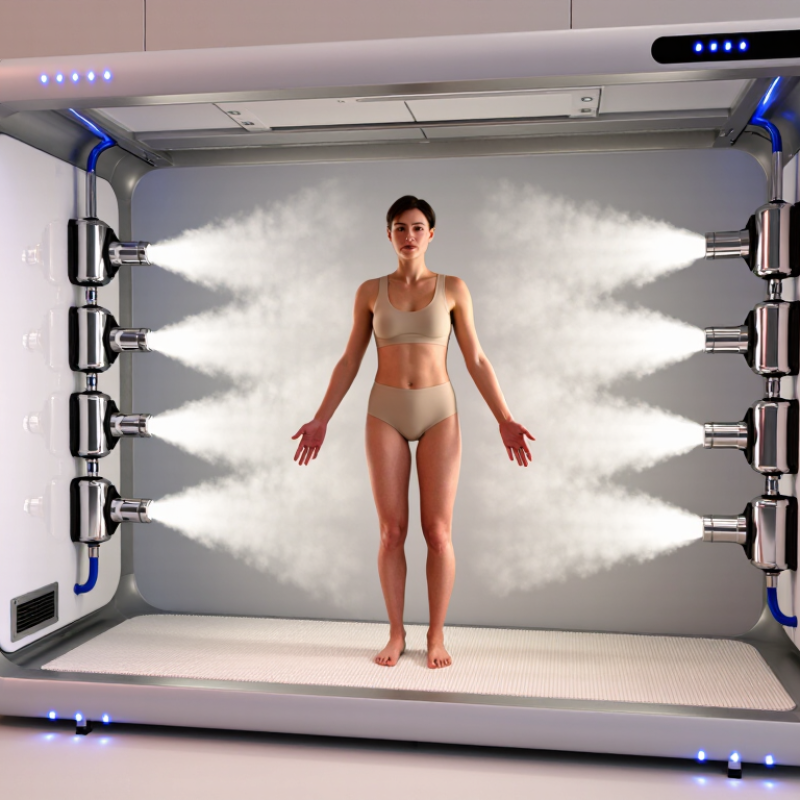
Inside the booth, pumps move tanning solution toward calibrated nozzles. Air jets help distribute the mist across the body. Sensors, programmed spray paths, and timed drying cycles aim to reduce streaks, pooling, and overspray. Some systems also use extraction fans and disposable floor protection. The experience can feel technical, but small errors remain visible. Uneven exfoliation, wet skin, or poor positioning may create darker elbows, ankles, and hands.
Market evidence supports growing interest in sunless tanning. Grand View Research estimated the global self-tanning products market at approximately USD 1.1 billion in 2022, with continued growth expected through 2030. Research and Markets also identifies professional spray-tanning services as an expanding segment, although estimates differ by methodology. That uncertainty deserves attention.
Dermatologist Dr. Doris Day has emphasized that “A tan is a sign of skin damage,” a warning that applies to UV exposure, not DHA-based color alone. The World Health Organization similarly states that “There is no safe level of exposure to UV radiation.” A Bronzing Machine should therefore be evaluated by its technology, ventilation, hygiene procedures, ingredient disclosure, and operator training. The color may look effortless. The process should not be treated casually.
What Is a Bronzing Machine?
What Is a Bronzing Machine?
A bronzing machine is a cosmetic device designed to apply a bronzing solution evenly across the body. It usually uses controlled air pressure to turn the solution into a fine mist. The mist settles on the skin and creates a temporary, sun-kissed appearance. Unlike ultraviolet tanning equipment, many bronzing machines work without exposing the skin to UV radiation. However, the exact process depends on the machine and solution used.
Some systems are operated by a trained technician, while others guide users through a standing booth. During treatment, nozzles may spray different body areas in sequence. The solution often contains a color guide, helping the operator see missed areas. The final color develops over several hours, not instantly. Results can fade as the outer skin naturally sheds. Uneven elbows, knees, or ankles are common. That detail is easy to underestimate.
Tips: Clean, exfoliate, and dry the skin before treatment. Avoid heavy oils, since they may affect application. Protect the eyes, lips, and airways as instructed. Wear loose clothing afterward. A patch test is sensible, especially for sensitive skin. Do not assume a bronzing result protects against sunlight. It does not replace sunscreen. Follow the equipment manual and local safety guidance. If irritation appears, stop using the product and seek qualified medical advice.
Key Components and Their Functions
A bronzing machine is equipment designed to darken the skin’s appearance through controlled ultraviolet exposure. This article refers to UV bronzing equipment, not cosmetic spray systems. Its main components work together, but each requires careful inspection.
UV lamps produce UVA and UVB radiation that reaches the skin through a clear acrylic surface. Reflectors direct light more evenly, although uneven output can still occur. The control panel sets exposure time and operating intensity. A timer should stop the session automatically. This safeguard matters because skin may not feel overheated immediately. Cooling fans reduce heat around the lamps and improve user comfort. They do not remove ultraviolet risk.
A ventilation system moves warm air away from the enclosure. Some machines also include temperature sensors and emergency stop controls. These features help, but they are not perfect. Dust, aging lamps, or blocked vents can affect performance. Technicians should inspect wiring, clean reflective surfaces, and test timers according to the equipment manual. Lamp strength changes over time, so a machine may deliver inconsistent exposure without calibration. Protective eyewear is essential, and users should follow the stated exposure schedule. People with sensitive skin, certain medical conditions, or photosensitizing medication should seek professional medical advice before use. The safest setting is not always the shortest one, because output varies between machines. That detail is easy to overlook.
What Is a Bronzing Machine and How Does It Work?
Key Components and Their Functions
A bronzing machine uses controlled ultraviolet light to stimulate melanin production in the skin. UVA covers 315–400 nanometres and is the primary wavelength range associated with tanning, while UVB covers 280–315 nanometres and can contribute to tanning and sunburn. UVC covers 100–280 nanometres and is not an intended tanning band.
- UV lamps: Generate the ultraviolet radiation used for bronzing.
- Ballasts or power controls: Regulate electrical current supplied to the lamps.
- Reflectors: Direct light toward the treatment area and improve distribution.
- Cooling fans: Remove heat from the lamps and internal components.
- Timers and safety interlocks: Control exposure duration and help prevent operation under unsafe conditions.
How the Bronzing Process Works Step by Step
A bronzing machine is a controlled spray system that applies a fine cosmetic mist to the skin. Most machines use air pressure, a nozzle, and an adjustable spray pattern. The solution often contains DHA, which reacts with amino acids in the outer skin layer. This reaction gradually creates a darker appearance. It does not provide reliable protection from sunlight.
The process begins with a consultation and skin check. The operator confirms the desired shade and explains the procedure. Clean, dry skin gives more consistent results. Protective eyewear, nose filters, and lip balm help reduce unwanted exposure. The client stands inside the booth or follows the operator’s movements. The machine sprays in steady passes, covering the front, sides, hands, and feet. Small areas require careful control. Afterward, the solution dries briefly before the client dresses. Colour usually develops over several hours, not instantly. The finish is rarely perfect on a first attempt. Uneven elbows or knees can still appear, even with careful preparation.
Tips: Exfoliate gently the day before, but avoid oily products before spraying. Keep your arms slightly away from your body. This helps the mist reach hidden areas. Wear loose, dark clothing afterward. Avoid sweating, bathing, or heavy rain until the recommended development time ends. Results vary with skin type, application technique, and daily friction. A trained operator should follow local cosmetic safety guidance and the solution manufacturer’s directions.
Different Types of Bronzing Machines
A bronzing machine usually creates a darker appearance through ultraviolet light, cosmetic mist, or controlled light exposure. Its design matters because each type affects skin differently. The machine does not “tan” in one identical way.
UV tanning beds use fluorescent or high-pressure lamps to emit UVA and UVB radiation. They darken melanin inside the skin, but the process can also cause DNA damage. The World Health Organization’s IARC classifies UV-emitting tanning devices as carcinogenic to humans. The American Cancer Society reports that indoor tanning before age 35 may increase melanoma risk by about 75%. Protective eyewear helps, but it does not remove the underlying risk. The color may look even. The biological effect is not harmless.
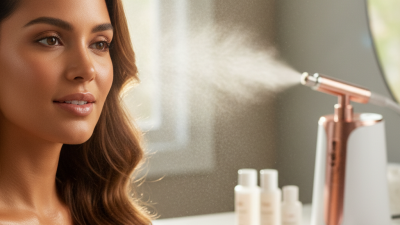
Spray bronzing booths use a fine mist containing dihydroxyacetone, or DHA. DHA reacts with amino acids on the skin’s surface, creating a temporary brown tone within several hours. No ultraviolet exposure is required. However, operators should protect the eyes, lips, and breathing passages, because external skin application is not the same as inhalation. Airbrush systems provide more control around ankles, wrists, and the face. Automated booths are faster but may produce uneven areas when skin is dry. Red-light and hybrid light machines are also marketed for cosmetic use, yet their bronzing effect may be limited. According to FDA guidance, visible cosmetic darkening should not be confused with sun protection.
Safety, Maintenance, and Common Applications
A bronzing machine is usually an automated system for applying cosmetic tanning solution. It sprays a fine mist while the user stands inside a ventilated booth. Some models use ultraviolet light instead, so operators must identify the equipment before use. Spray systems darken the outer skin layer; they do not provide reliable sun protection. Read the manual. Ventilation matters.
Safety begins with trained supervision and clear instructions. Users should protect their eyes, lips, and airways as directed by the manufacturer. A patch test can reveal irritation, although it cannot predict every reaction. Broken, recently shaved, or inflamed skin may react badly to solution. Staff should check allergies and explain the expected color development time. Clients must never assume a darker result means better protection from sunlight.
Maintenance affects both hygiene and spray quality. After each session, staff should wipe the floor, handles, nozzles, and nearby surfaces with an approved cleaner. Filters, fans, and spray lines need scheduled inspection because blocked airflow can create uneven color and unpleasant odors. Solution containers should be dated, sealed, and stored away from heat. Bronzing machines commonly serve salons, beauty clinics, fitness facilities, and event preparation services. They can also support cosmetic training, where technicians practice distance, timing, and coverage. In real use, small streaks still happen, especially around ankles and wrists. Careful preparation helps, but honest staff should explain that results vary with skin condition, exfoliation, and technique.



 Wechat: ANNIELV88